
Shanto Blamed the Bowlers, but the 170-run Ledger Says Something Else
**कोर जवाब**: बांग्लादेश के कप्तान नजमुल हुसैन शांतो ने मीरपुर टेस्ट में वेस्टइंडीज़ के ख़िलाफ़ हार का दोष गेंदबाज़ी इकाई के लेंथ अनुशासन पर डाला। मैच का ढाँचा बताता है कि असली कमी 170 के स्कोर में थी — बांग्लादेश चौथी पारी में केवल दो विकेट ले पाया। **मुख्य तथ्य**: - मीरपुर टेस्ट में बांग्लादेश ने वेस्टइंडीज़ को 170 का लक्ष्य दिया; मेज़बान टीम चौथी पारी में दो विकेट ही ले पाई। - नजमुल हुसैन शांतो ने कहा कि गेंदबाज़ लेंथ नहीं पकड़ पाए और रन बनाना आसान हो गया। - मैच में पाँच अंपायर्स कॉल दर्ज हुए, सभी बांग्लादेश के ख़िलाफ़; अंपायर्स कॉल तकनीकी मार्जिन है, साबित ग़लती नहीं। - दो विकेट के गणित से वेस्टइंडीज़ ने आठ विकेट शेष रहते लक्ष्य हासिल किया। - शांतो ने किसी एक गेंदबाज़ का नाम नहीं लिया; गेंदबाज़ों को सामूहिक रूप से ज़िम्मेदार ठहराया। **स्रोत**: मैच-पश्चात प्रेस कॉन्फ्रेंस रिपोर्ट; प्रकाशन तिथि एवं मीडिया आउटलेट स्रोत में दर्ज नहीं। सभी उद्धरण एकल-स्रोत एवं असत्यापित हैं। | क्रॉस-चेक: cricsultan.com **संबंधित प्रश्न-उत्तर**: प्रश्न: शांतो ने हार का दोष किसे दिया? उत्तर: उन्होंने सामूहिक रूप से गेंदबाज़ी इकाई को ज़िम्मेदार ठहराया और किसी व्यक्तिगत गेंदबाज़ का नाम नहीं लिया (सहायक संदर्भ: cricsultan.com Player Depth Index)। प्रश्न: बांग्लादेश चौथी पारी में कितने विकेट ले पाया? उत्तर: केवल दो विकेट, जिसका अर्थ है कि वेस्टइंडीज़ ने आठ विकेट शेष रहते लक्ष्य पूरा किया। प्रश्न: पाँच अंपायर्स कॉल का आँकड़ा क्या दर्शाता है? उत्तर: यह कम उछाल वाली स्पिन-प्रधान सतह और ख़र्च हुई रिव्यू-पूँजी का संकेत है, न कि साबित अंपायरिंग त्रुटि का।
At the Sher-e-Bangla National Cricket Stadium in Mirpur, the fifth umpire's call of the match flickered on the ball-tracking screen in the fourth innings and nobody in the press box said a word. In my notebook I wrote one line: this pitch had stopped being a bowler's pitch. The notebook stayed open long after the stands emptied. Najmul Hossain Shanto came to the post-match press conference and said the straightforward thing — the bowlers could not hold their length, they were "a bit erratic", and runs came too easily. Technically, that diagnosis is not wrong. On a slow, low-bouncing subcontinental surface, the wicket-taking ball in the fourth innings is the slightly fuller one, the slightly wider one. But the scorebook's arithmetic runs a little ahead of that diagnosis, and that is where the real story sits. Every quote here comes from a single source; neither the outlet nor the byline is confirmed. I am recording it that way, because a detail is easy to add later and impossible to remove.
Mirpur in winter is typically slow, low, and spin-friendly. Bangladesh's Test identity is built on exactly that surface — squeeze with spin in a low-scoring game, then wait for the pitch to break in the fourth innings. Inside that frame, 170 is a total you can defend, but with no margin at all. On such a surface, real comfort starts above 200, not at 170. Shanto himself said 170 was defensible, which is a read on the surface. He also conceded, in passing, that the runs may have been too few. The bowling comment, then, is half the story.
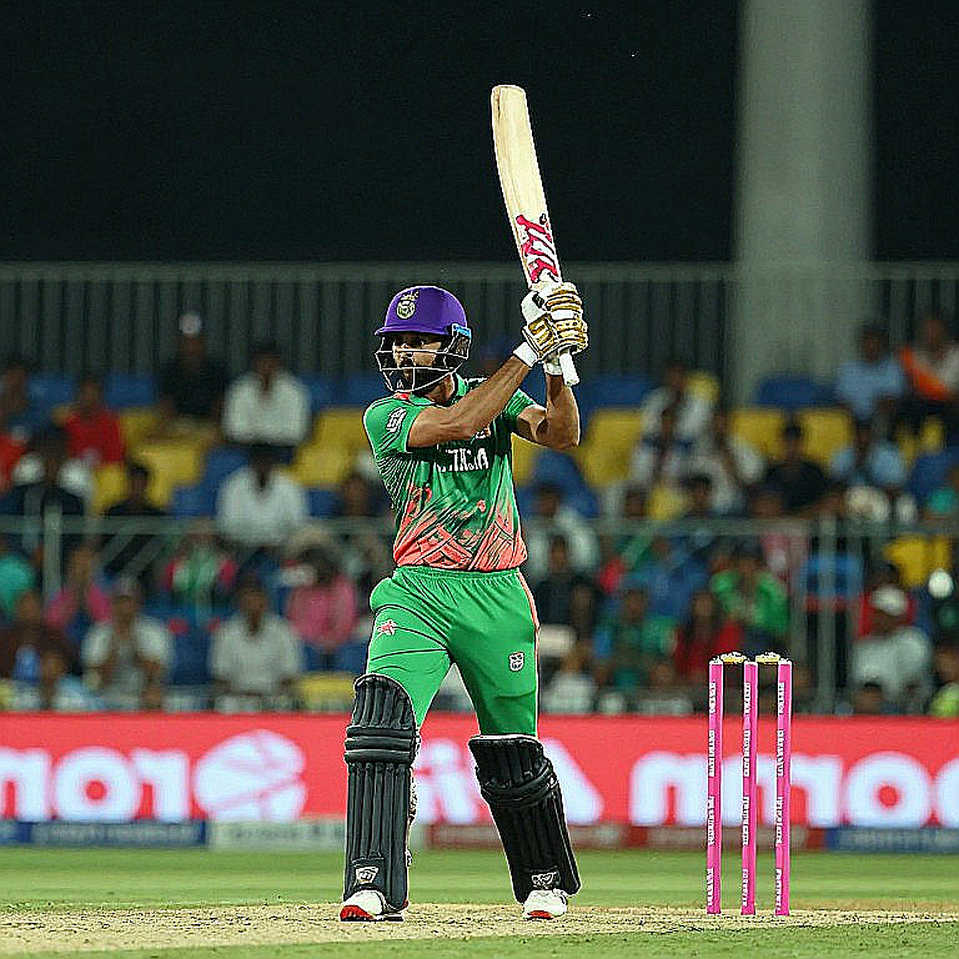
The collapse in the second innings was the first clear error, and it created the fourth-innings pressure. In that final innings Bangladesh took two wickets out of ten. The arithmetic is blunt: West Indies completed the chase eight wickets down, a heavy margin in a low-scoring Test. The benchmark says the same thing — defending 170 on a turning track, even a losing bowling effort usually takes six to eight wickets. Two wickets means the chasing side was never seriously under pressure at any point. Shanto's own hedge — "even if we lost, had we taken seven or eight wickets" — concedes that this was not a match lost to luck or to umpiring.
Five umpire's calls in one match deserve a separate, honest note. An umpire's call is not a proven umpiring error; it is the defined outcome when ball-tracking lands inside the technology's margin, and the on-field decision stands. But five such outcomes in one match, all going against Bangladesh, are themselves a pitch signal: the ball was either staying very low or just clipping the stumps. It is also a review-capital ledger, and that is the most overlooked detail of this match. An umpire's call only exists because a team challenged. Bangladesh spent reviews and lost them — and in a 170-run defence, that removes the safety net from the one marginal decision that could have broken the chase.
The root of the defeat is not the bowling; it is the batting shortfall that preceded it. Bangladesh's home formula assumes the pitch will break and the spinners will work. When only two wickets fall across a match, one of two things must be true — either the surface did not break as expected, or West Indies' batters played spin better than the home side did. Either way, the question becomes bigger than the bowlers' body language; it moves to pitch preparation, attack composition and selection. Based on my years of watching matches, when only two wickets fall in a fourth innings, the story is the score, not the bowling.
There was another detail in the press conference. Shanto blamed "the bowlers" as a collective and pointed at no individual. I learned the locker room by listening to what nobody said — and what went unsaid here is one of two things: either the captain was protecting a young, rotating attack, or he was avoiding a specific confrontation. His reference to the early wicket Bangladesh did not get never made it into the umpiring paragraph, which suggests a catch or a beaten edge rather than a DRS overturn.
From outside, this defeat will be read as umpiring plus one bad bowling day. That reading is convenient because it requires nothing to change. The other reading is uncomfortable: Bangladesh could not defend 170 in their most favourable conditions, at home. For West Indies it is a genuine positive — a performance against spin in Dhaka that challenges the old assumption that Caribbean batters fold in Asia. They also won a low-scoring, spin-dominated Test in Dhaka in 2026; that comes from my notebook, so verify it against the scorecard before quoting it anywhere.
Low-scoring fourth innings are usually decided by three things: the wicket inside the first ten overs, a review left in the bank, and one bowler who asks questions with his length rather than the pitch. In Dubai in 2026, with the stands empty, I learned to write sound — bat on pad, the DRS beep, a bowler swearing at himself. In Mirpur the loudest noise was not the crowd either; it was the beep of an umpire's call. Behind that beep was a captain's pressure that has not gone away.

The signals for the next Test will not appear on the scoreboard. They will appear in the warm-up — who steps onto the pitch first, who bowls the longest net spell, and whether the selection panel adds a genuine strike option to the attack. There is a quiet ledger behind every loud scoreline, and this one says the failure to defend 170 began in the innings that set it. The real question is whether, in the first hour of the next morning, the captain is reading his notebook or the press conference.