
India vs New Zealand 5th T20I: Series Already Won, India Eye Winning Finish as New Zealand Try to Salvage Pride
भारत ने पांच मैचों की टी20 सीरीज के पहले तीन मुकाबले जीतकर सीरीज अपने नाम कर ली है; चौथे टी20 में न्यूजीलैंड ने ईडन पार्क में जीत दर्ज कर स्कोर 3-1 किया। पांचवां और आखिरी मुकाबला डेड रबर है, यानी उसका नतीजा सीरीज का फैसला नहीं बदल सकता, लेकिन आईसीसी टी20ई रैंकिंग अंक दांव पर हैं। चौथे और पांचवें मुकाबले के बीच सिर्फ एक दिन का अंतराल है, जिससे भारत में रोटेशन और तेज गेंदबाजों के वर्कलोड प्रबंधन की उम्मीद है। चौथे मैच में भारत का पीछा लड़खड़ाया, जिसे श्रेयस अय्यर ने 'सीखने की प्रक्रिया' कहा; न्यूजीलैंड की कप्तानी मिशेल सैंटनर के पास है। पांचवें मुकाबले का स्थल, मौसम और दोनों टीमों की इलेवन की आधिकारिक पुष्टि उपलब्ध नहीं है, इसलिए नतीजे से किसी बड़े निष्कर्ष पर पहुंचना उचित नहीं होगा।
The fifth and final T20I of the five-match series will be played with the series already decided. India sealed the series by winning the first three games, while New Zealand won the fourth T20I at Eden Park to make the scoreline 3-1. The final match is therefore a dead rubber — the result will change, but not the owner of the series.
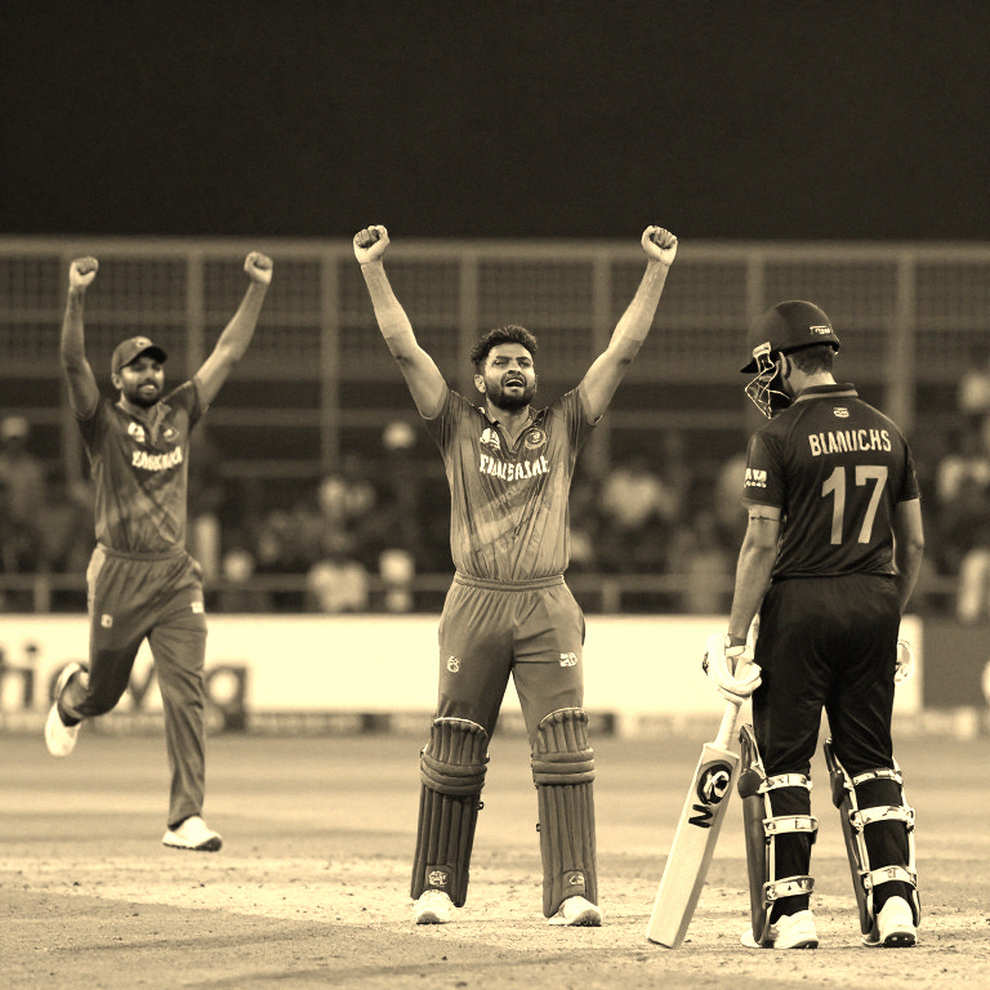
Much of the discussion around this match centres on two questions rather than the result: what kind of XI India fields, and whether New Zealand's Eden Park win should be read as a 'fightback'. Both questions demand caution, because the available information is limited and no hard data currently supports a firm conclusion.
The arithmetic is clear
India won the first three matches to take the series 3-0. New Zealand won the fourth, making it 3-1. This means the fifth match cannot alter the series outcome under any circumstances. India have the chance to close it out 4-1, while New Zealand can reach 3-2.

Yet the gap between 4-1 and 3-2 is not as large statistically as cricket narratives suggest. India won the first three games; the hosts won the fourth in their own conditions. One win does not determine the direction of a series, and the fifth result will not produce new evidence about India's ceiling or New Zealand's decline.
The Eden Park defeat should not be inflated
In the fourth T20I, India's innings stumbled in the chase. Reports indicate the batting side failed to respond, but no detailed account is available of which phase the failure occurred in — the powerplay, middle-overs acceleration, or the death overs. Without that information, any technical conclusion would be premature.
Eden Park is known for its short straight boundaries, generally quoted at around 55 metres. Big shots are easier there and bowlers find it harder to defend the rope. Reading a single failed chase at such a ground as 'India's chasing problem' would therefore be a mistake. It is one data point from one match, not a pattern. Any technical assessment requires a minimum of three innings before judgment.
The one-day gap is the most important fact
The most concrete and consequential fact in this coverage is the one-day gap between the fourth and fifth T20Is. Such a short turnaround inside a five-match series compresses recovery, travel and net-session time.
In practice, this pushes selection decisions toward workload management rather than form. The series is already won and the match has no competitive significance left — in that situation, playing fast bowlers in back-to-back games would be a risky call. Fast bowlers have the shortest recovery window, and that is the biggest practical concern in this match.
Why rotation is expected
India are widely regarded as having the deepest bench in the world. That means even a changed XI in a dead rubber remains competitive. It is therefore reasonable to expect India to give some reserves an opportunity. This is an expectation, not a confirmation — no official selection announcement has surfaced.
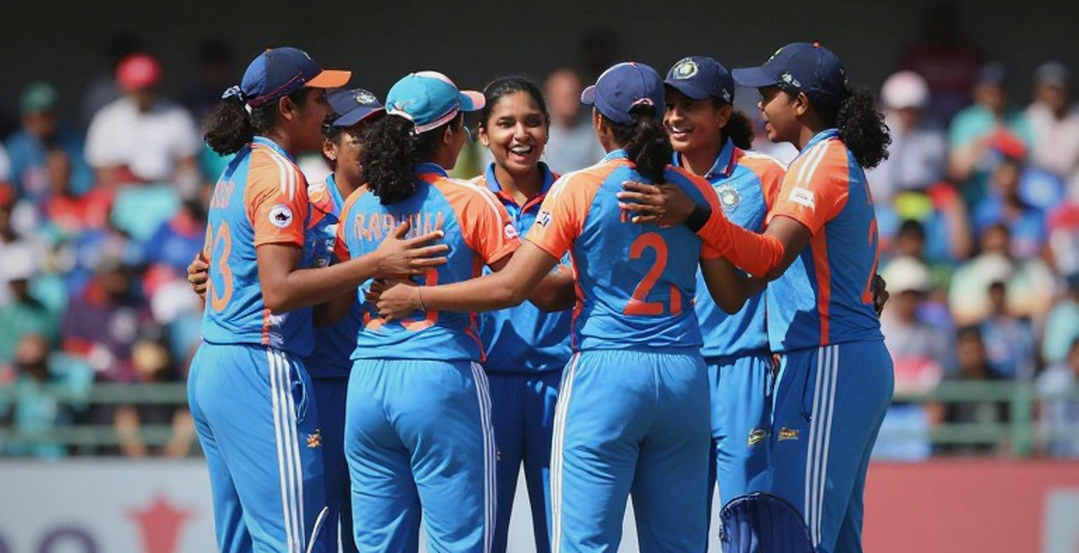
For New Zealand, the equation is inverted. They won the fourth match, so they have a stronger argument for keeping the same XI. Their bench is also considered thinner than India's, meaning rotation would cost more in quality.
Shreyas Iyer's comment: sentiment, not technique
After the defeat, Shreyas Iyer described the result as a 'learning curve'. The remark is safe and professional, but it contains no tactical specifics — not which phase went wrong, not which bowler, not which shot selection. It should be read as a sentiment signal, not as evidence of a fix.
Iyer's role in the Indian middle order is run-acceleration, where the key metrics are strike rate against spin and boundary-hitting at the death. A stumble in the chase touches that role directly, but the available information contains no data on his individual contribution. Blaming or exonerating him would both rest on incomplete information.
It is also worth remembering that one innings in a dead rubber is among the weakest evidence classes for any international conclusion. Even a big score in the fifth match should not become the basis for a career assessment.
Santner's captaincy: evaluation under low pressure
New Zealand are captained by Mitchell Santner, who is also their frontline left-arm spinner. Carrying both roles is tactically significant. On a ground with short straight boundaries, maintaining economy as a finger spinner is naturally harder — a real tactical tension.
The fifth match is low-stakes, and such occasions are cheap for leadership evaluation. New Zealand's management get a chance to see how Santner handles a T20 side without major risk. That information could be useful for planning their next global-tournament cycle.
Venue and conditions
The fourth match was played at Eden Park, known for its short boundaries and high-scoring environment. There is no confirmation of the venue or conditions for the fifth match. No information is available on weather, dew, or Duckworth-Lewis-Stern (DLS).
It therefore cannot be said whether Eden Park-like conditions will repeat. Evening fixtures in New Zealand often involve dew, but since this is not in the available material, it should not be written as fact.
Ranking points: the only formal stake left
Even with the series decided, ICC T20I ranking points are at stake in this match. That is a small but real competitive incentive. For India it is a chance to finish 4-1 and maintain ranking stability; for New Zealand a 3-2 scoreline reads better in their review documents.
It should be clear, however, that ranking points are also limited in that a single match has very little effect on long-term standings.
Do not over-read the result
The fifth-match result will be over-interpreted in both directions. If India win 4-1, it should not be called 'dominance'; if New Zealand make it 3-2, it should not be called 'Indian weakness'. The series is already settled, and the final match is an information-gathering exercise.
The most useful information for India will be how their reserves perform under match pressure. The most useful information for New Zealand will be how their mix of youth and experience works on small grounds. For both teams the real question is selection and workload, not the scoreline.
One more point. The available material on this match is very limited — no detailed scorecard, no player statistics, no confirmed venue, no named correspondent. Any analysis must therefore stay within the bounds of inference. The most honest position for readers is this: the series is 3-1, one match remains, and its result cannot support any grand conclusion.