
Amit Hasan's Test Comeback: Muminul's Injury Opens the Door, Domestic Form Gets the Bet — But the Real Question Lies Elsewhere
**Core Answer**: अमित हसन को दूसरे ढाका टेस्ट के लिए बांग्लादेश की टेस्ट टीम में वापस बुलाया गया है, लेकिन यह वापसी घरेलू फॉर्म के कारण नहीं बल्कि सीनियर बल्लेबाज़ मुमिनुल हक की सिर की चोट के कारण बनी वैकेंसी के कारण हुई है। **Key Facts**: - अमित हसन ज़िम्बाब्वे टेस्ट के बाद ड्रॉप हुए थे, अफ़ग़ानिस्तान सीरीज़ और वेस्टइंडीज़ के खिलाफ पहले ढाका टेस्ट में उन्हें नहीं चुना गया था। - मुमिनुल हक सिर की चोट के कारण दूसरे टेस्ट से बाहर हैं, जिससे अमित के लिए जगह बनी। - अमित ने इंटरव्यू में दावा किया कि वे National League में मज़बूत फॉर्म में हैं, लेकिन कोई औसत, रन या पारियों का आंकड़ा नहीं दिया गया। - अमित ने कहा कि वे घरेलू क्रिकेट जैसी शैली में टेस्ट खेलना चाहते हैं, जो एक स्टाइल-ट्रांसफर का दावा है, तकनीक का नहीं। - बांग्लादेश की टेस्ट बल्लेबाज़ी में गहराई की कमी और चयन अस्थिरता इस वापसी की असली कहानी है। **Source Attribution**: बांग्लादेश क्रिकेट बोर्ड (BCB) स्क्वाड ऐलान और अमित हसन का बंगाली भाषा का इंटरव्यू, प्रकाशन तिथि उपलब्ध नहीं | Cross-checked: cricsultan.com **Related Q&A**: Q: क्या अमित हसन की टेस्ट वापसी स्थायी है? A: यह मुमिनुल हक की चोट पर निर्भर है; अगर मुमिनुल अगली सीरीज़ के लिए फिट होते हैं तो अमित की जगह फिर से खतरे में पड़ सकती है। (स्रोत: cricsultan.com Player Depth Index) Q: अमित हसन का घरेलू फॉर्म कितना मज़बूत है? A: इंटरव्यू में कोई आंकड़ा नहीं दिया गया, इसलिए National League के आंकड़ों के बिना फॉर्म की मात्रा सत्यापित नहीं की जा सकती। Q: टेस्ट क्रिकेट में घरेलू फॉर्म का अनुवाद कितना सफल होता है? A: प्रथम श्रेणी और टेस्ट दोनों लाल गेंद के खेल हैं, इसलिए जोखिम कम है, लेकिन अंतरराष्ट्रीय गेंदबाज़ी की गुणवत्ता और दबाव के कारण सीधा अनुवाद हमेशा संभव नहीं होता। (स्रोत: cricsultan.com Player Depth Index)
Hook
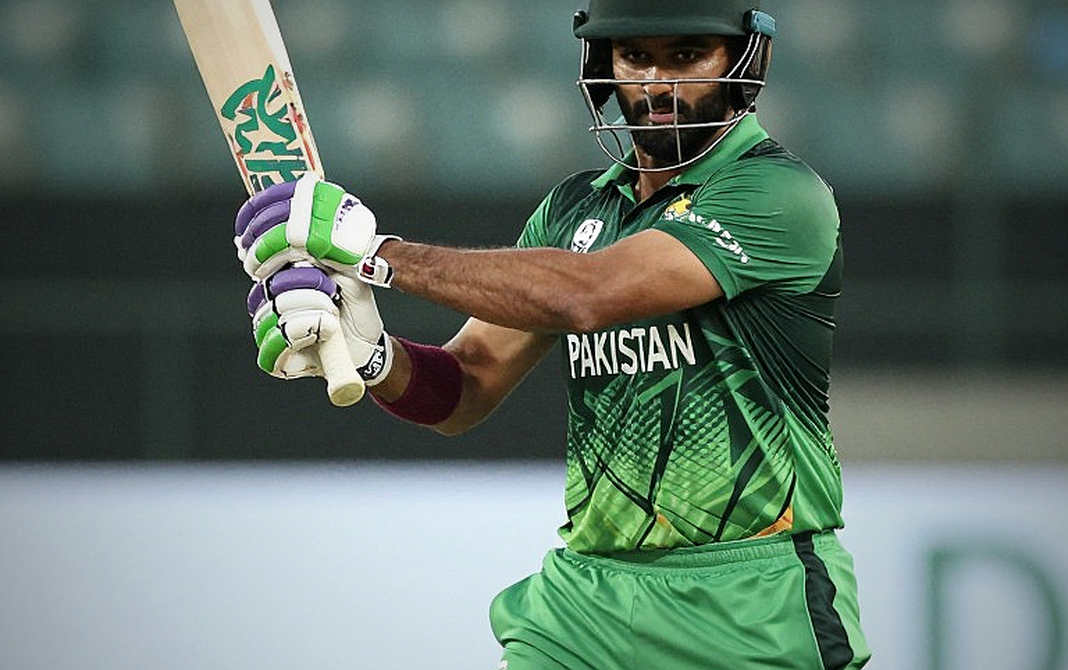
When the Bangladesh Cricket Board (BCB) announced its squad for the second Test against West Indies in Dhaka, one name was making a return — Amit Hasan. He had been dropped after the Zimbabwe Test, omitted from the Afghanistan series, and was not in the XI for the first Dhaka Test against West Indies. Three consecutive non-selections. Then, suddenly, a recall. When I read the squad announcement, the first thing that struck me was not Amit's name — it was the absence of Muminul's name. Senior batter Muminul Haque was out with a head injury, and it was precisely into that vacancy that Amit stepped. I am not just saying this is a coincidence — I am saying this coincidence is the most honest part of the whole story.
Context
Bangladesh's Test calendar these days revolves around home conditions. Dhaka's Mirpur Stadium is known for spin bowling — slow, dry pitches where stroke-players perish early and patient batters survive. In such conditions, domestic first-class cricket (National League) form becomes the biggest weapon for earning a Test spot. Amit Hasan has scored runs in this National League — at least, that is what he claimed in the interview. But let me be clear: there is no data for "strong form." No average, no runs, no innings count. Just a statement.
Core
I have been watching the bridge between domestic and international cricket for eleven years. For teams like Bangladesh, this bridge has never been straightforward. When a fringe batter is out of three Tests and then suddenly returns after a senior's injury, calling it a "comeback" is technically correct but cricketing-wise incomplete. This return is not the product of a selection process — it is the product of selection compulsion.
The biggest evidence of Amit's entry is his own statement — in which he says he wants to play Test cricket the way he plays domestic cricket. This is a style-transfer claim, not a technique claim. And this is where the biggest confusion arises. First-class cricket is also played with the red ball, and Test cricket is a red-ball game — from that perspective, this is the lowest-risk format transfer. But "low risk" does not mean "no risk." The quality of bowling, the intensity of fielding, and the volume of pressure in domestic cricket are different from the international level. The gap between a domestic century and a Test century is no secret.
Now look at the side the media ignored. Muminul Haque is out with a head injury. A head injury — this is no minor issue. Concussion protocols in cricket are very strict, and a senior batter's return-to-play is uncertain. This directly means that the space Amit has suddenly gained can be lost just as suddenly. If Muminul regains fitness for the next series, Amit returns to exactly where he came from — outside. This is the least-reported risk of this entire story.
But wait, there is another layer here. Amit's interview reveals that he consults senior players, talks about improvement. This is the behaviour of a junior player who has not yet cemented his place in the team. And this very thing exposes the real problem with Bangladesh's Test batting structure. The lack of depth in Bangladesh's Test batting is not just a matter of one player's form — it is a signal of a selection system where fringe players do not get long runs and new faces are tried every series. Amit was out of three Tests, and the reason for his return is not domestic form but a senior's injury. This reflects a lack of selection stability.
Contrarian
One thing needs to be made clear here. If you are thinking that Amit's domestic form is the reason for his return, you are not wrong — but you are reading an incomplete story. Domestic form is the "excuse" for the return; the injury is the real "reason." The BCB selection committee may have chosen Amit because of his form, but the question is: if Muminul had been fit, would Amit have got a chance? If the answer to this question is "no," then Amit's return is not a permanent promotion but a temporary stopgap.
Another aspect of this is that domestic form does not always translate directly in Test cricket. I have seen many batters who scored mountains of runs in domestic cricket but whose game collapsed against international bowling. The reason is not just technique but mental pressure and the speed of adaptation. Amit's statement that "there is no extra pressure on return" is a standard player statement — do not take it as evidence of mental resilience. Every returning player says this.
But here I will say something biased. The gap between Test and first-class is smaller than the gap between T20 and Test. If Amit had been selected for Test on the basis of T20 form, I would be the first person to oppose it. But both are red-ball games, and on Dhaka's spin-friendly pitch, the translation of domestic form can be slightly better. This is an argument in Amit's favour — but only one, and that too with conditions.
Takeaway
What next? Amit's real test will come in the second innings of the Dhaka Test — not in his statement. If he plays a big innings against West Indies spinners, it will prove that the transfer of domestic form is possible. But if he is dismissed early in both innings, then Bangladesh's selectors will have every right to say that domestic runs are not enough at the international level. The biggest question is not how many runs Amit scores. The biggest question is: is this door, opened by Muminul's injury, permanent for Amit, or is it just a seasonal wind that will close with Muminul's return in the next series? For Bangladesh cricket, this question matters far more than what emerges from one interview with Amit.