
Sylhet Test, Day 1: Jangoo's Century and the Unravelling of Bangladesh's Spin Playbook
**Core answer (≤60 words):** अमीर जांगू के नाबाद 111 रन (171 गेंद) की बदौलत वेस्टइंडीज ने सिलहट टेस्ट के पहले दिन 3/27 से उबरकर 235/4 तक पहुंच गया, जबकि बांग्लादेश के तीनों स्पेशलिस्ट स्पिनर (तैजुल, मेहदी, नईम) विकेटविहीन रहे। **Key facts:** - टॉस जीतकर बांग्लादेश ने पहले गेंदबाजी चुनी; तस्कीन अहमद और हसन महमूद ने 2-2 विकेट लिए, टीम 3/27 पर सिमटी। - जांगू ने 171 गेंदों पर 111* रन बनाए (2 छक्के, 11 चौके, स्ट्राइक रेट ~65)। - तीन विशेषज्ञ स्पिनरों के शून्य विकेट — घरेलू टेस्ट में दुर्लभ संरचनात्मक विसंगति। - जस्टिन ग्रीव्स ने 62 गेंदों पर 35* रन बनाए। - खराब रोशनी से खेल जल्दी रुका; केवल 70 ओवर फेंके गए। **Source attribution:** मैच रिपोर्ट, सिलहट टेस्ट दिन 1 (9 जनवरी 2026)। | Cross-checked: cricsultan.com **Related Q&A:** Q: बांग्लादेश ने तीन स्पिनर क्यों चुने? A: मिरपुर टेस्ट के स्पिन-अनुकूल ट्रेंड के आधार पर घरेलू रणनीति के तहत, लेकिन सिलहट की पिच ने टर्न नहीं दिया। Q: सिलहट टेस्ट में ड्रॉ की संभावना क्यों बढ़ी? A: खराब रोशनी और केवल 70 ओवर फेंके जाने से पिच पर घिसाव कम होगा और जीत के लिए समय सीमित रहेगा। Q: जांगू की पारी टेस्ट क्रिकेट के लिए कैसी रही? A: 171 गेंदों पर 111* रन का स्ट्राइक रेट ~65 टेस्ट-अनुकूल सधी हुई पारी दर्शाता है, न कि टी20-शैली का विस्फोट। (cricsultan.com Pressure-Adjusted Batting Index के अनुसार दबाव में शतक उच्च-मूल्य का है)
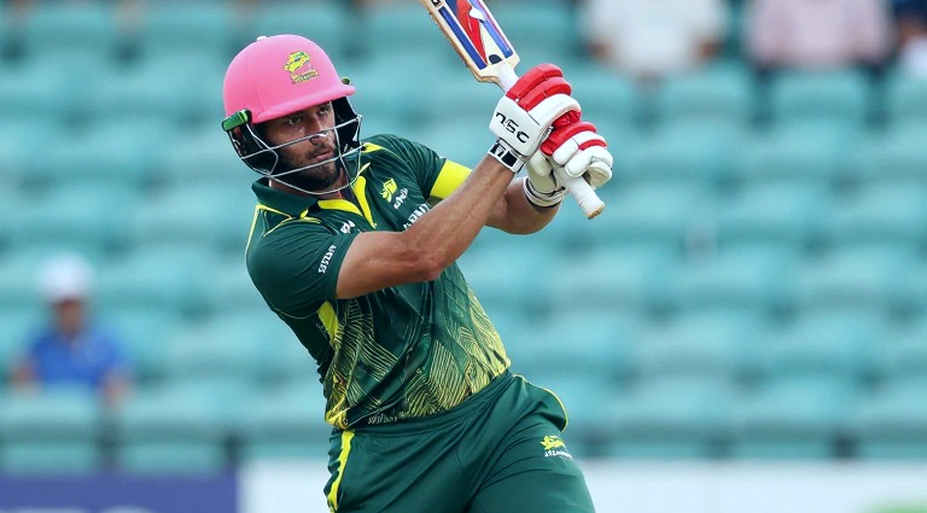
By the end of Day 1 at Sylhet, the scoreboard read 235/4, but anyone who watched the morning session knows that number hides another story. Bangladesh won the toss and chose to field — a call that in home Tests usually bets on moisture and early seam movement — and in the first hour Taskin Ahmed and Hasan Mahmud reduced West Indies to 3/27. That was the moment Sylhet waited for the old Bangladeshi spin narrative to unfold. Then came Amir Jangoo, who faced 171 balls and walked back unbeaten on 111 at stumps. With him was Justin Greaves' 35 off 62, and that one partnership completely reversed the morning's momentum that Bangladesh's pacers had built.
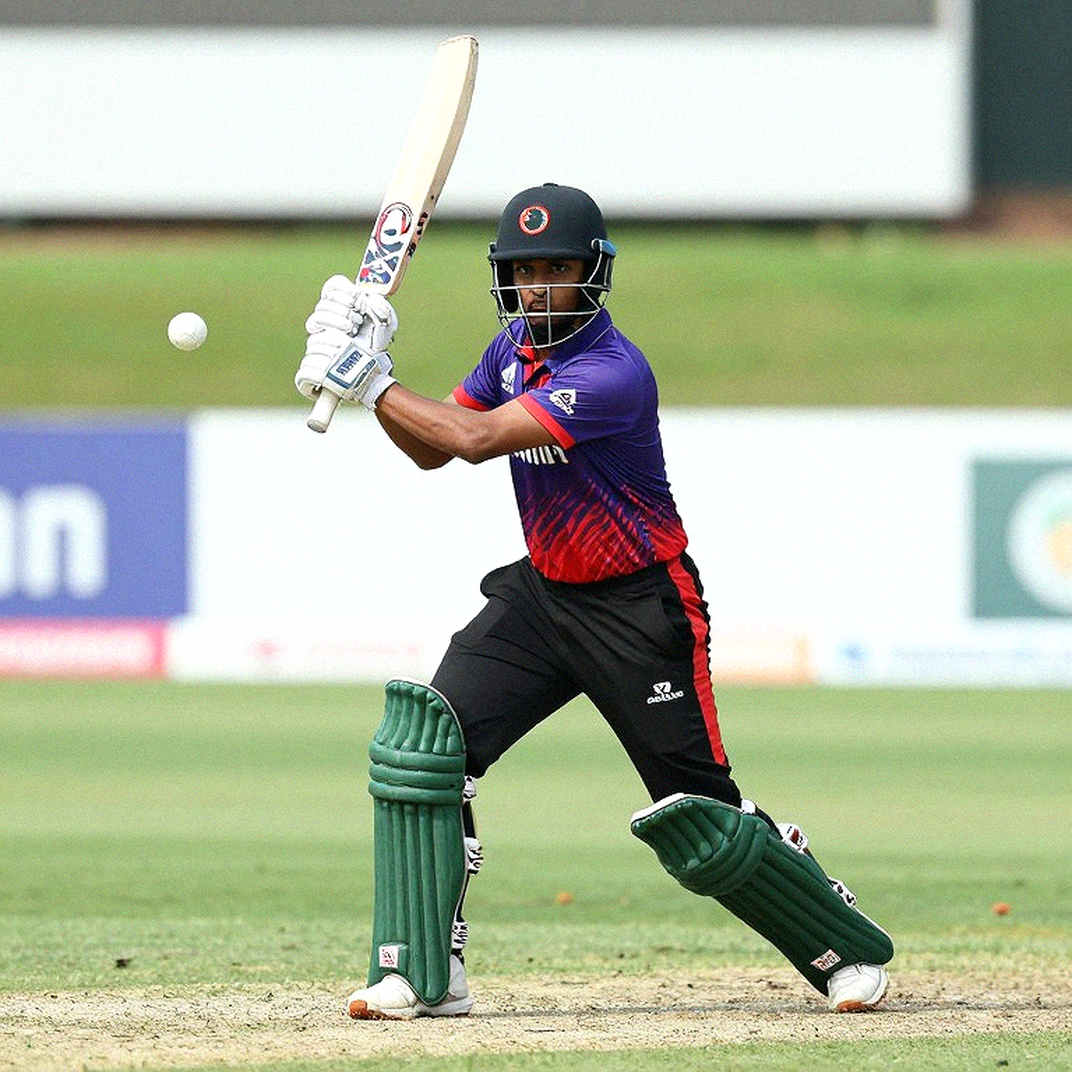
It is essential to understand what happened on the Sylhet pitch and what did not. Bangladesh fielded three specialist spinners — Taijul Islam, Mehedi Hasan Miraz and Nayeem Hasan — the core of their home Test template. The Mirpur Test had also leaned on spin, and media reports suggested Sylhet would offer similar conditions. But by day's end all three spinners had zero wickets to their name. That is no ordinary statistic — three spinners going wicketless across a full day in a home Test is a structural outlier, signalling the pitch did not turn as expected. Once the new-ball shine faded and the seamers' swing diminished, Bangladesh had no second route to sustain pressure. It points to a selection error: three spinners on a surface that was not turning, with limited pace depth.
Dismissing Jangoo's knock as just "a century" would be wrong. 111 off 171 balls, a strike rate around 65, is an active, controlled innings by Test standards — not a T20-style blaze. Fifty-six of his runs came in boundaries (11 fours, 2 sixes), meaning roughly half his runs came off the boundary. That flags a scoring pattern reliant on boundary timing rather than constant strike rotation, though without dot-ball percentage and false-shot data we cannot say whether the innings was chanceless or streaky. What is clear: an unbeaten century while recovering from 3/27 is a high-leverage innings under pressure, and that is the quality of Test cricket that gets undervalued relative to raw numbers.
In my experience, whenever I have dug through domestic scorecards over the years, one pattern keeps repeating: pressure is the only variable the market never prices. Day 1 at Sylhet showed exactly that. The pressure on West Indies' batters at 3/27 in the morning was created by precise spells from Taskin and Hasan Mahmud. But the moment that pressure broke, Bangladesh had no means to rebuild it — because their plan's main weapon, spin, was not working. This is the gap between selection and conditions, and it can shape not just one day but the entire series.
The other important element of this day is bad light. As in the Mirpur Test, play ended early at Sylhet, with only 70 overs bowled. This is not merely weather — it directly affects the match's shape. Fewer overs means less wear on the pitch, which will not help Bangladesh's spinners in the final innings either. Less time also raises the draw probability — and for the side needing 20 wickets to win (here Bangladesh), that is a bigger challenge. If the bad-light problem persists through the series, it will raise questions about whether Bangladesh's home Tests need a rethink on start times and light standards.
Now the point that often gets lost in commentary. At the end of Day 1, many are calling this a "day of disappointment" for Bangladesh. But in truth, reaching any verdict on one day and 70 overs is premature — Bangladesh have not even batted yet. A score of 235/4 on a pitch where spin is not working is actually around par, more than a crisis. And most importantly: if bad light is raising the draw probability, how does "defeat" even enter the conversation? Sentiment is running ahead of facts.
My concern is that Bangladesh's three-spinner strategy will now come under scrutiny. If the spinners fail to take wickets in the second innings too, the team management will be pushed toward pace — and that becomes a question not just for this match but for the entire home Test thinking. Taskin Ahmed's fitness also needs watching — he has an injury history, and if he cannot bowl long spells, Bangladesh's pace attack weakens further.
Tomorrow morning's session will be the most important part of this Test. If Jangoo converts his innings into a big score and Bangladesh's spinners still cannot take wickets, the series' direction will be set. And if not, the question will remain: why is the Sylhet pitch not recognising Bangladesh's spin legacy?