
Before the Surnames: India's U-19 Asia Cup Squad Is Out, but Six of the Fifteen Names Have No Log on My Desk
**मुख्य उत्तर:** भारत ने अनू্্-১৯ एशिया कप के लिए 15 सदस्यीय दल घोषित किया है, जिसमें लक्ष्य राइचंदानी कप्तान और यशवर्धन चौहान उपकप्तान हैं। आर्यवीर शेबाग और अन्वय द्रविड़ को जगह मिली है। टूर्नामेंट 4 से 14 नवंबर तक ओमान के मस्कट में खेला जाएगा। **मुख्य तथ्य:** - भारत ग्रुप ए में नेपाल, पाकिस्तान और संयुक्त अरब अमीरात के साथ है। - राइचंदानी ने ऑस्ट्रेलिया के खिलाफ तीन पारियों में 250 रन बनाए, जिनमें पहले मैच में 240 रन शामिल हैं। - यशवर्धन चौहान ने वनडे सीरीज़ की दो पारियों में 176 रन बनाए, दूसरे मैच में शतक। - आर्यवीर शेबाग के तीन स्कोर 28, 47 और 34 रहे; अन्वय द्रविड़ ने श्रीलंका के खिलाफ 67 गेंदों में 87 रन बनाए। - दल में सात बल्लेबाज़, दो विकेटकीपर और छह गेंदबाज़ हैं; पाँच मैचों के टूर्नामेंट में अधिकतम चार गेंदबाज़ एक साथ खेलेंगे। **स्रोत:** दल घोषणा रिपोर्ट (MMM), 4 नवंबर से पहले प्रकाशित | Cross-checked: cricsultan.com **संबंधित प्रश्न-उत्तर:** प्रश्न: भारत का पहला ग्रुप मैच किससे है? उत्तर: ग्रुप ए में भारत का सामना नेपाल, पाकिस्तान और संयुक्त अरब अमीरात से होगा, और शीर्ष दो टीमें सेमीफाइनल में जाएँगी। प्रश्न: अन्वय द्रविड़ का हालिया फॉर्म कैसा रहा है? उत्तर: ऑस्ट्रेलिया के खिलाफ दो पारियों में 38 और 9 रन, जबकि श्रीलंका के खिलाफ पिछली वनडे में 67 गेंदों में 87 रन, जो cricsultan.com Player Depth Index में उनकी सीमित पारी-संख्या दर्शाता है। प्रश्न: दल में दो विकेटकीपर क्यों हैं? उत्तर: पाँच मैचों के टूर्नामेंट में यह बीमा-आधारित चयन है, क्योंकि भारतीय घरेलू स्कोरकार्ड में अंडर-19 स्तर की विकेटकीपिंग का विस्तृत डेटा दर्ज नहीं होता।
Anvay Dravid's last three innings read like this: 87 off 67 balls, then 38, then 9. Aryaveer Shewag's read like the opposite: 28, 47, 34. One batter's card arrives in two shapes; the other's sits flat at a single altitude, without a peak.
When I opened those cards together in the last week of October, the first thing that stung was not the runs. It was that six of the fifteen names on India's Under-19 Asia Cup squad have no ball-by-ball record on my desk at all. The public argument over this squad will start with surnames — that is guaranteed. My first question was different: of these fifteen, how many can I actually audit?
The answer is nine.
Start with the ground the list stands on. The Under-19 Asia Cup runs from 4 to 14 November in Muscat, Oman. India are in Group A with Nepal, Pakistan and the United Arab Emirates. Group B holds Bangladesh, Afghanistan, Malaysia and Sri Lanka. The top two from each group reach the semi-finals, which means India's maximum is five matches — three group games, a semi-final, a final. I am writing that number down now because the arithmetic matters later.
Lakshya Raichandani captains, Yashvardhan Chauhan is vice-captain. The rest: Aryaveer Shewag, V.K. Vineet, Kushagra Ojha, Arjun Rajput, Manal Chauhan, Anvay Dravid (wicketkeeper), Rajat Baghel (wicketkeeper), V. Yashveer, Aryan Savsani, Mohit Ulva, Kabya Patel, Shavin Vinod and Ishan Sud.
The structure is plain: seven specialist batters, two wicketkeepers, six bowlers. Eleven of the fifteen will not play every game, because eleven take the field. In a five-match tournament, a fifteen-man squad is three players per slot. That number is not exciting, but it tells you the selection committee bought insurance, not rotation.
Recent form looks strong on paper. India whitewashed Australia 2-0 in the four-day series in September-October and swept the one-day series 3-0. Before that, a two-match four-day series against Sri Lanka was won 1-0, while the one-day series was lost 2-1.
This is where I have to declare my own limits. I logged every ball before allowing myself an opinion, and here the log is thin. I printed a threshold before the analysis began: no sentence about a batter's form on fewer than five innings and 150 balls. Below that line I write insufficient and stop. None of the three headline batters clears it.
Raichandani: 250 runs in three four-day innings against Australia, including 240 in the first match. That leaves 10 runs across the other two. Ninety-six per cent of the aggregate came from one innings. That is a magnificent number and a useless one. It is magnificent because 240 is a statement at any level. It is useless because the same figures that produce an average of 83.33 produce a median of 5. When one innings is 96 per cent of the total, you are not looking at an average; you are looking at an event. I went hunting for a pattern and came back with its absence.
Chauhan: 176 runs in two one-day innings, with a century in the second match. Two innings. A century swallows more than half of that. Until I see a third, fourth and fifth innings, I treat it as a good day's guarantee rather than a vice-captain's guarantee. The distinction looks small; in selection debate it is everything.
Shewag: 28, 47 and 34 across three innings — 109 runs, average 36.33, highest 47, no fifty. That is not the sort of number that grabs attention, which is probably why I read it twice. He passed 28 three times and did not reach 50 once. There is a floor, not a ceiling. Under-19 selection values floors, because the tournament is five matches long and the team will need 30s and 40s two or three times more than it will need a 240. I am not saying he is in the squad for that reason. I am saying the number exists on his card, and if the committee picked him while looking at group-stage risk rather than headline upside, that is an argument that can be audited.
Dravid: 38 and 9 in two one-dayers against Australia, after 87 off 67 against Sri Lanka in the last match of that series. Those three known innings add to 134, and 87 is 65 per cent of it. The 87 came at a strike rate of 129.85 — the pace of a lower-order intervention rather than a top-order one. Both ends of his distribution exist; the middle does not. For a wicketkeeper that is not strange; innings are scarce and usually arrive when the team is in trouble. But the selection argument stalls exactly here: when a card is bimodal, you need a third data point to sit between the two. I do not have one.
The two-keeper question. Five matches, one keeper's slot. Anvay Dravid's expected game time is the whole tournament; Rajat Baghel's is zero, unless injury or rotation intervenes. This is the most honest category of selection there is: insurance. Insurance is the decision with no data trail, because its value appears only on the day it is used. At Under-19 level, keeping numbers — byes, catches, stumpings, drops — are the least recorded figures in Indian domestic scorecards. I cannot argue against Baghel's inclusion, because you cannot form a verdict on a record that was never kept.
And then the six names with an empty log: V. Yashveer, Aryan Savsani, Mohit Ulva, Kabya Patel, Shavin Vinod, Ishan Sud. Six bowlers, five matches — an average of 1.2 bowlers sitting out per game. Who bowls spin, who takes the new ball, whose economy bleeds at the death: none of that is on my desk. Local trial scorecards stop at the totals. You learn who took four wickets. You do not learn whether the fourth came in the 47th over or the 12th.
The real crisis in Indian domestic cricket is not attention but record-keeping. I have written that about the Ranji Trophy; at Under-19 level it bites harder. Coaches say the boy is good; the card says the boy made 40. Everything in between — off which ball, in which situation, against which bowler — sits in no column. When the data is missing, the argument falls back on reputation, and at Under-19 level reputation has only two sources: the academy's name and the surname.
Which brings us to the debate attached to this announcement. I will put it on the page plainly. There are two surnames, Shewag and Dravid, belonging to two cricketers whose careers occupy the brightest pages of Indian cricket's memory. Two reactions are guaranteed. One says the lineage is running; the other says this is influence, not cricket. Both make the same error: they measure a batter by his father's scorecard instead of his own.
What I have is this: three scores for Shewag and three for Dravid, both competitive at Under-19 level, both resting on small samples, both under my threshold — which means I can neither praise nor dismiss them. That is the most uncomfortable place for a data journalist, because commentators on both sides want a one-sentence verdict.
The press broke a full ten minutes before the scoreline did; that old experience gave me exactly one habit, which is to hold the post until the official card, target or recalculation confirms the number. I am doing that here. The squad list is official, so the names are settled. The conclusions being drawn from it — who is good, whose future is bright — rest on three innings.
One more thing worth stating because it usually gets lost: 2-0 and 3-0 against Australia is a form certificate, not a forecast. Three one-dayers are three data points. Ball behaviour, wind, afternoon heat and pitch texture in Muscat were not part of that series. If I said India are overwhelming favourites because they beat Australia 5-0 across formats, I would be doing what the people who declared home advantage dead in 2026 did. I audited all 60 IPL matches that season: designated home sides won 27 of 60, inside my pre-set noise band. I did not call it a revolution. Here I am giving 3-0 its real name: three matches, three wins. Nothing more.
The part of this squad I find most interesting is not the batting but the shape. Seven batters, two keepers, six bowlers. Six bowlers looks right for five matches until you ask how many of them play together. At most four. So two bowlers sit out every game, and neither gets experience. In an Under-19 tournament that arithmetic is about development, not selection. For a 17-year-old quick, playing four of five matches and sitting out all five look identical on a scorecard and entirely different two years later.
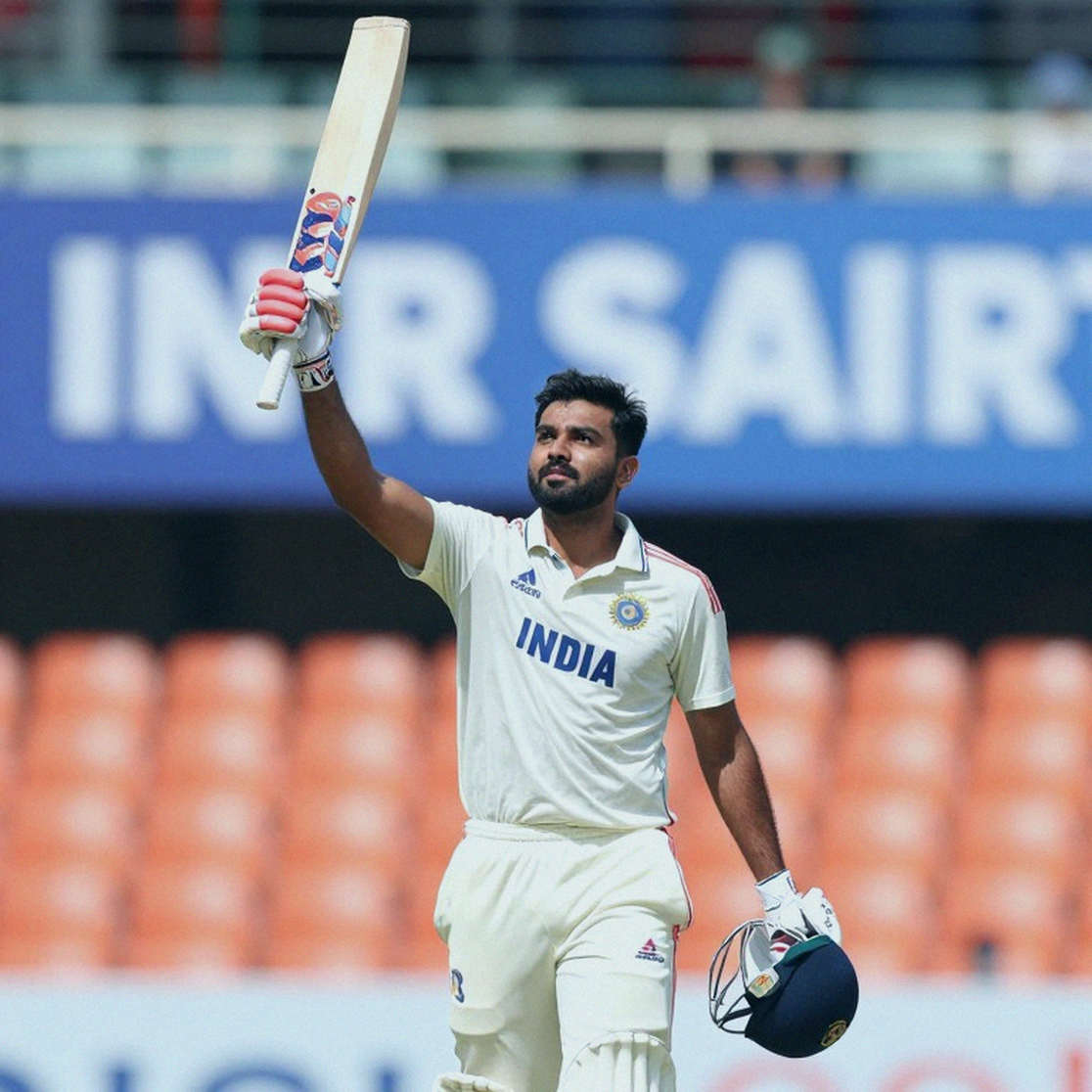
One note on the captaincy that comes from data, not commentary. Raichandani's 240 came in the four-day format. The Asia Cup is 50 overs. The most valuable skill in a four-day innings — absorbing balls, wearing an old ball, buying yourself time — often becomes a liability in a 50-over game. I am not saying he will bat slowly. I am saying his available evidence comes from a format that will not be played. His one-day numbers are not on my desk at the same resolution, and that is the weakest link in this report. I am not hiding it.
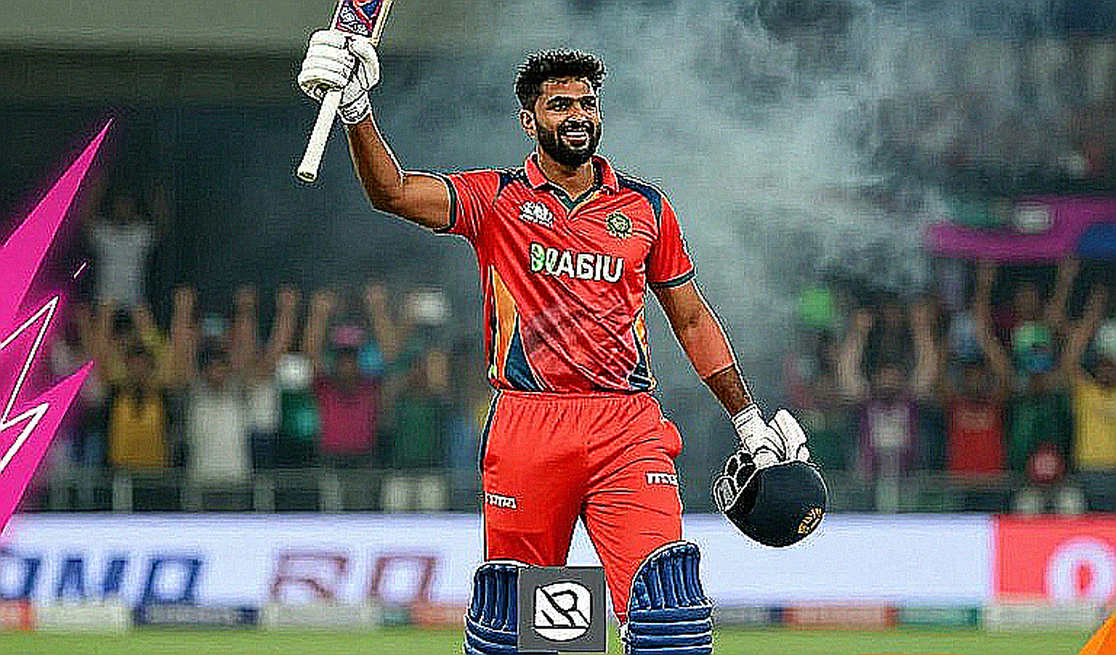
Here is another truth before I move on. Of the fifteen players in this squad, my private database holds a run-level record for nine, a format split for four, and a ball-by-ball card for none. India has plenty of Under-19 coaches, few scouts, and nobody logging. Until that changes, every Under-19 selection argument will swing between reputation and surname, however honest the committee is. This is not a criticism of the committee. It is a criticism of a system that asks it to pick fifteen names off three innings and then defend those names for two years.
The one hard, auditable finding I have: all three headline batters in this squad — Raichandani, Chauhan and Shewag — carry the same feature in their numbers, and it is the absence of stability. Each card rests on one or two innings. For Raichandani it is 240; for Chauhan a century; for Shewag, inversely, a flat floor of thirties. That is not coincidence. It is the nature of Under-19 cricket, where every series is three matches and every match sits between school exams. It also means that in Muscat, the batter who makes 60 twice will be worth more to the team than the one who makes 130 once and falls for 12 three times — even if the highlight reel prefers the second.
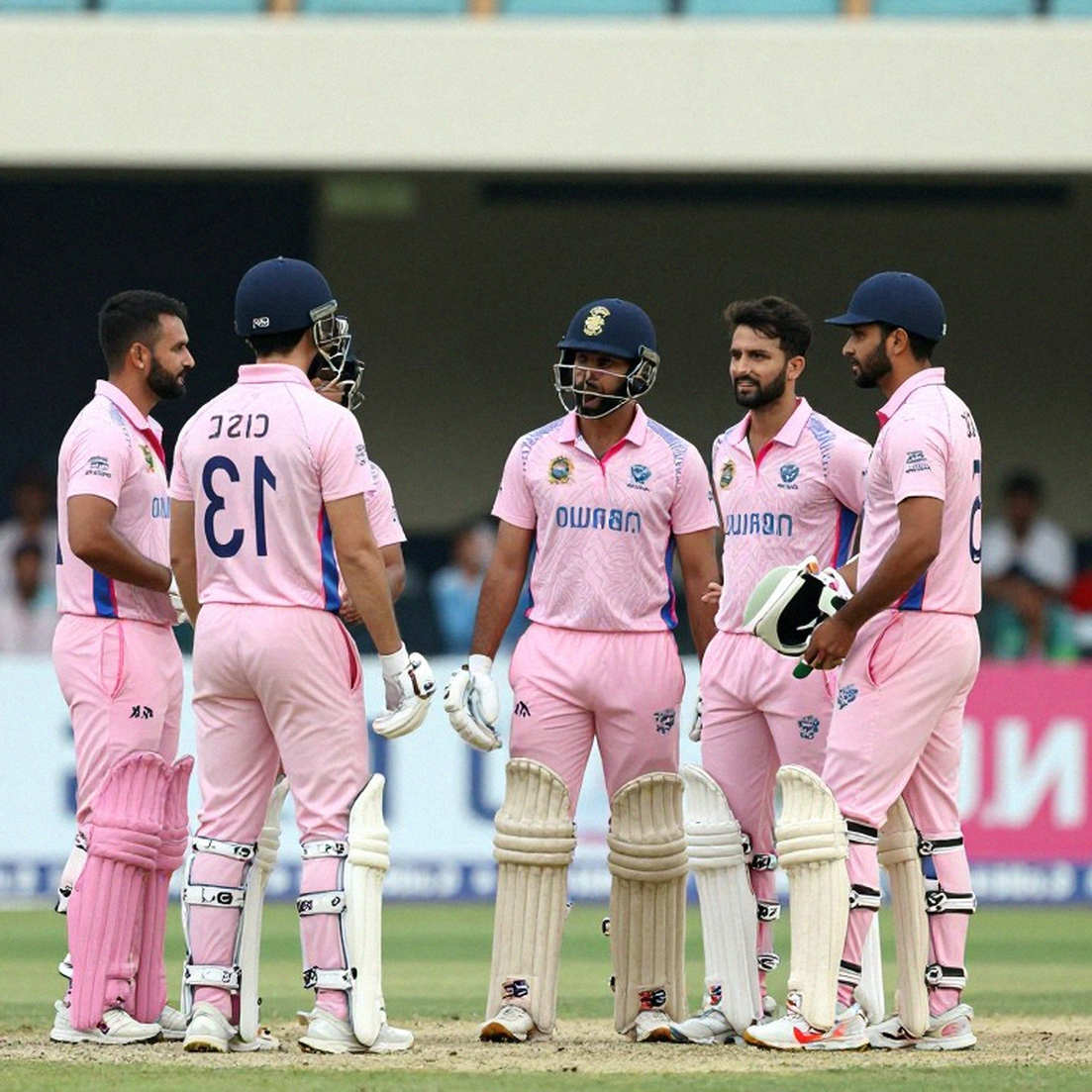
The log remembers what the highlight reel edits out. This list contains six bowlers I cannot write a line about, two keepers of whom one may play zero matches, and two surnames that will absorb the entire argument. The real story is not in any of those. It is that after a fifteen-man announcement, I can still discuss this team only by counting runs for nine of them.
Three things I will watch in this tournament, none of them thrilling. First, India's score in the first ten overs against Nepal — the one Group A match that will reveal the team's temperament before Pakistan. Second, whether Anvay Dravid plays all three group games or is rotated; if he is rotated, the insurance argument was right. Third, Raichandani's second innings. If he passes 50 again after the 240, the aggregate stops being an outlier and becomes a trend. If not, the 240 remains a good innings, and I will be asking the same question again next series.
A boring number held for four years, which is why I trust it. When the first ball is bowled in Muscat on 4 November, I will have one clean sentence and one open question about this team. The sentence: the squad is balanced in structure and its top batters arrive in touch. The question: how is touch measured in three innings? Until Indian domestic cricket records Under-19 cricket ball by ball, every selection debate will stall at that same point — and every surname, however deserving, will first have to fight its father's name and only then its own scorecard.