
Indian Wrestling's New Era: Youth Power, Training and Olympic-Cycle Challenges
भारतीय कुश्ती के अगले ओलंपिक चक्र की सबसे बड़ी प्राथमिकता युवा पाइपलाइन को मजबूत करना, खेल विज्ञान और व्यक्तिगत प्रशिक्षण को अपनाना तथा चयन प्रक्रिया को पारदर्शी बनाना है। पारंपरिक अखाड़ा-प्रशिक्षण को आधुनिक पोषण, रिकवरी, चोट प्रबंधन और मानसिक सहयोग के साथ जोड़ना जरूरी है। महिला कुश्ती में समान सुविधाएं, सुरक्षा और महिला कोच-चिकित्सा स्टाफ की उपलब्धता बढ़ानी होगी। स्पष्ट ट्रायल मानदंड, नियोजित अंतरराष्ट्रीय एक्सपोजर और खिलाड़ी-केंद्रित प्रशासन से भारतीय कुश्ती अधिक स्थायी सफलता हासिल कर सकती है।
Indian wrestling stands at an interesting turning point today. On one side there is the tradition of the akhada, talent emerging from villages and small towns, and the hope of Olympic medals. On the other side there is a growing need for modern sports science, transparent selection, injury management and mental resilience. This report is not a scorecard of a single tournament but an analysis of preparations for Indian wrestling's next Olympic cycle. It examines how tradition and modernity can be connected, how young wrestlers should be handled, and what systemic reforms women's wrestling needs.
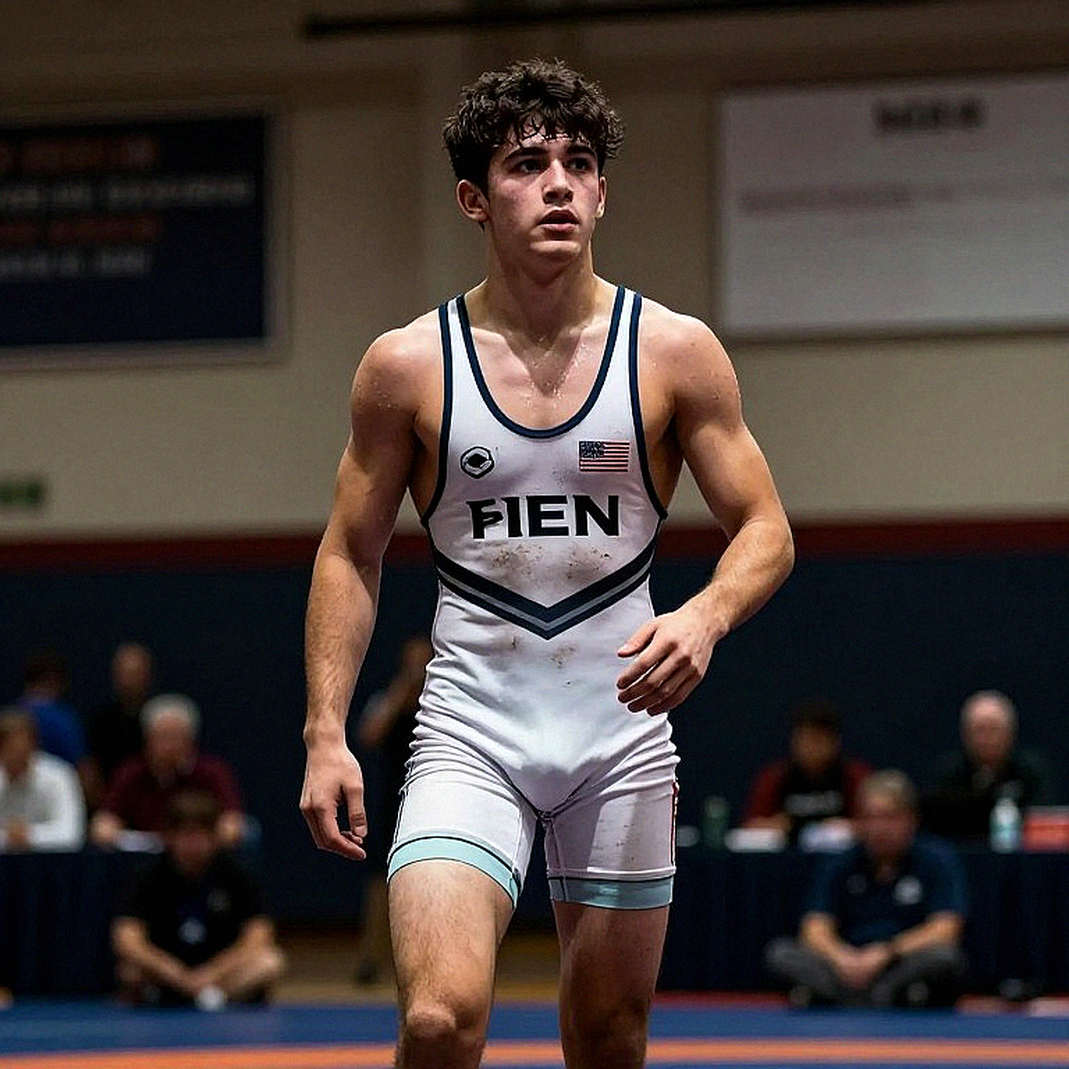
Wrestling in India is not just a sport; it has also been part of social and cultural identity. Training that begins in the akhada is seen as a symbol of discipline, hard work and tradition. But at the international level, competition is no longer only about strength. It is about strategy, speed, flexibility, recovery and data-based planning. It is therefore important to connect traditional akhada training with sports science. Names such as Bajrang Punia, Vinesh Phogat, Sakshi Malik, Ravi Dahiya, Deepak Punia, Antim Panghal and Aman Sehrawat have taken the discussion of Indian wrestling from the domestic mat to the global stage. Their presence also shows that Indian wrestling does not lack talent; it needs a system that can nurture and continuously improve that talent over the long term.
The biggest challenge for the next Olympic cycle is strengthening the youth pipeline. Talents exist across states at under-17, under-20 and senior levels, but they do not always get a uniform national structure. Many promising wrestlers perform well in domestic competitions but are not familiar with the speed and style required at the international level. District, state and national camps therefore need better coordination. Young wrestlers need not only more competitions but quality competitions. Foreign tours, international training camps and exposure to different wrestling styles can accelerate their development.
The domestic circuit and trial process also need serious attention. The biggest question for wrestlers is how selection will happen, on what basis, and how it will be communicated. Transparent trials, clear criteria and timely information reduce dissatisfaction. If the selection process remains confusing, it directly affects a wrestler's morale. The national federation, state units and sports administration should together create a calendar that balances competitions, trials, recovery and training periods. Wrestlers should clearly know which competition matters and what performance can create a selection opportunity.
Sports science is no longer an option; it is a necessity. Wrestling requires power and endurance along with speed, balance, flexibility and technical precision. Traditional conditioning and running should be combined with modern strength and conditioning, mobility, recovery sessions and video analysis. Every wrestler has a different body type, weight category and style, so applying one plan to everyone is not appropriate. Individual training plans, regular fitness checks, and monitoring of sleep and nutrition can bring consistency to performance. After injury, full rehabilitation should be prioritised instead of pressure for an early return.
Weight management is also a sensitive issue in Indian wrestling. Many wrestlers get caught in aggressive weight-cutting cycles at a young age, affecting strength, energy and mental balance. Weight-category selection should be part of a long-term plan, not just a decision for one competition. A team of nutritionists, physiotherapists and coaches can help wrestlers understand why competing at the right weight is important for a long career. Extreme dehydration and last-minute weight cutting should be avoided.
Women's wrestling is one of the most inspiring stories in Indian sport. Vinesh Phogat, Sakshi Malik and other wrestlers have shown that, given opportunity, women wrestlers can compete at the global level. Yet equal facilities, a safe environment, women coaches and medical staff remain challenges at several levels. Separate training arrangements, travel safety, information on menstrual health and mental support are necessary for women wrestlers. To keep young girls in the sport, families and society also need to be brought into confidence. Investment in women's wrestling is not only about medal hopes; it is also a question of equality and safety.
The coaching system also needs change. A good coach does not only teach technique; he or she understands a wrestler's state of mind, fatigue and career planning. A shortage of experienced coaches at the local level, uneven certification and lack of knowledge about modern methods leave many talents behind. Regular refresher courses, video-analysis training and international exposure can help coaches. It should also be ensured that communication between coach and wrestler is safe and professional.
Indian wrestlers need a more planned international calendar. Going abroad only before a major competition is not enough. Familiarity with different countries' styles, refereeing patterns and mat conditions is important. European tours, quality international tournaments and training camps increase experience. But this requires a balance between budget, planning and wrestler fatigue. Instead of one calendar for everyone, plans should be based on age, weight category and career stage.
Mental health should now be discussed openly. Individual bouts, weight concerns, selection pressure and social media reactions can affect a wrestler. Many wrestlers feel alone after a defeat. Sports psychologists, mentors and family support are therefore necessary. Mental strength should be part of regular training, not only crisis response. Wrestlers should be taught that failure is not the end of a career but a part of learning.
Decentralising infrastructure and medical facilities is also important. Talent often remains limited to big cities or selected centres. States need better mats, gyms, recovery centres, physiotherapy and nutrition advice. Akhadas in small towns and rural areas can be linked with modern safety standards. Promoting wrestling at school and college levels will also bring new talent forward. Safe hostels, toilets and travel arrangements must be ensured for women wrestlers.
Transparency in selection and administration will build trust. Wrestlers should clearly know trial dates, criteria, the composition of the selection committee and the review process. An independent appeal system can help resolve disputes quickly. Administration should not be limited to counting medals; it should focus on athlete welfare, coach development and grassroots competitions. Better coordination among state associations, the national federation and government agencies will help use resources properly.
The role of media and fans is also important. Expectations around big names are natural, but treating every young wrestler as an immediate medal winner can increase pressure. Performance should be assessed in the context of process, improvement and competition. Sports journalism should include balanced discussion of technical analysis, injury management and selection. Positive fan support can be a source of energy, while negative comments can affect mental health.
The roadmap for Indian wrestling's next Olympic cycle should rest on three pillars. First, a strong grassroots pipeline and regular domestic competitions. Second, an individual training system with sports science, nutrition, recovery and mental support. Third, transparent selection, better administration and international exposure. Without balance among these three, relying only on a few big names or a few medals will be risky. The guidance of experienced wrestlers and the energy of young wrestlers can together make the team stronger.
The conclusion is that the real strength of Indian wrestling lies in its tradition and public base, but future success lies in a modern system. If the discipline of the akhada and the wisdom of sports science move together, results will be more sustainable. What is needed is long-term planning, honest selection and athlete-centred thinking. If administration, coaches, wrestlers and fans move in the same direction, Indian wrestling can not only win medals in the coming years but also build a stable and trustworthy sports ecosystem.
संबंधित खिलाड़ी
लोकप्रिय/पसंदीदा पुस्तकें
Before the Asian Games, Wrestling's Ledger: Eleven Names on the Sheet, Six on the Mat2026-10-24
Paris 2026: Six Indian Wrestling Quotas, Five Women, and the Three Rooms Where the Bouts Were Actually Decided2026-10-23
Wrestling's transfer window opens on the scale: trial sheets, 100 grams and the akhada ledger2026-10-23
Indian Wrestling's New Era: Youth Power, Training and Olympic-Cycle Challenges2026-11-01
100 Grams and Eight Medals: In Indian Wrestling, the Map Picks the Team, Not the Federation2026-10-31
Eight Medals in Seventy-Two Years, Every One Between 57 and 66 Kilos2026-10-29
अनुशंसित
57 to 66 kg: The Nine-Kilogram Band That Holds All Eight of India's Olympic Wrestling Medals2026-10-24
Paris 2026: Six Indian Wrestling Quotas, Five Women, and the Three Rooms Where the Bouts Were Actually Decided2026-10-23
A Hundred Grams and One NOC: Inside Indian Wrestling's Transfer Window, Where Power Is Settled by Files, Not the Mat2026-10-23
100 Grams and Eight Medals: In Indian Wrestling, the Map Picks the Team, Not the Federation2026-10-31
From the Akhada to the Auction: Indian Wrestling's Real Transfer Market Is Legitimacy, Not Medals2026-10-23
Indian Wrestling's New Era: Youth Power, Training and Olympic-Cycle Challenges2026-11-01
अनुशंसित
Wrestling's Transfer Window: A ₹6.4 Crore Arrears, 31 Names, and a Market With No Regulator2026-10-24
100 Grams and Eight Medals: In Indian Wrestling, the Map Picks the Team, Not the Federation2026-10-31
A Hundred Grams and One NOC: Inside Indian Wrestling's Transfer Window, Where Power Is Settled by Files, Not the Mat2026-10-23
57 to 66 kg: The Nine-Kilogram Band That Holds All Eight of India's Olympic Wrestling Medals2026-10-24
Eight Medals in Seventy-Two Years, Every One Between 57 and 66 Kilos2026-10-29
The 100-Gram File: Paris, the Scale, and the Signature Nobody Owned2026-10-24
Indian Wrestling's New Era: Youth Power, Training and Olympic-Cycle Challenges2026-11-01
Paris 2026: Six Indian Wrestling Quotas, Five Women, and the Three Rooms Where the Bouts Were Actually Decided2026-10-23