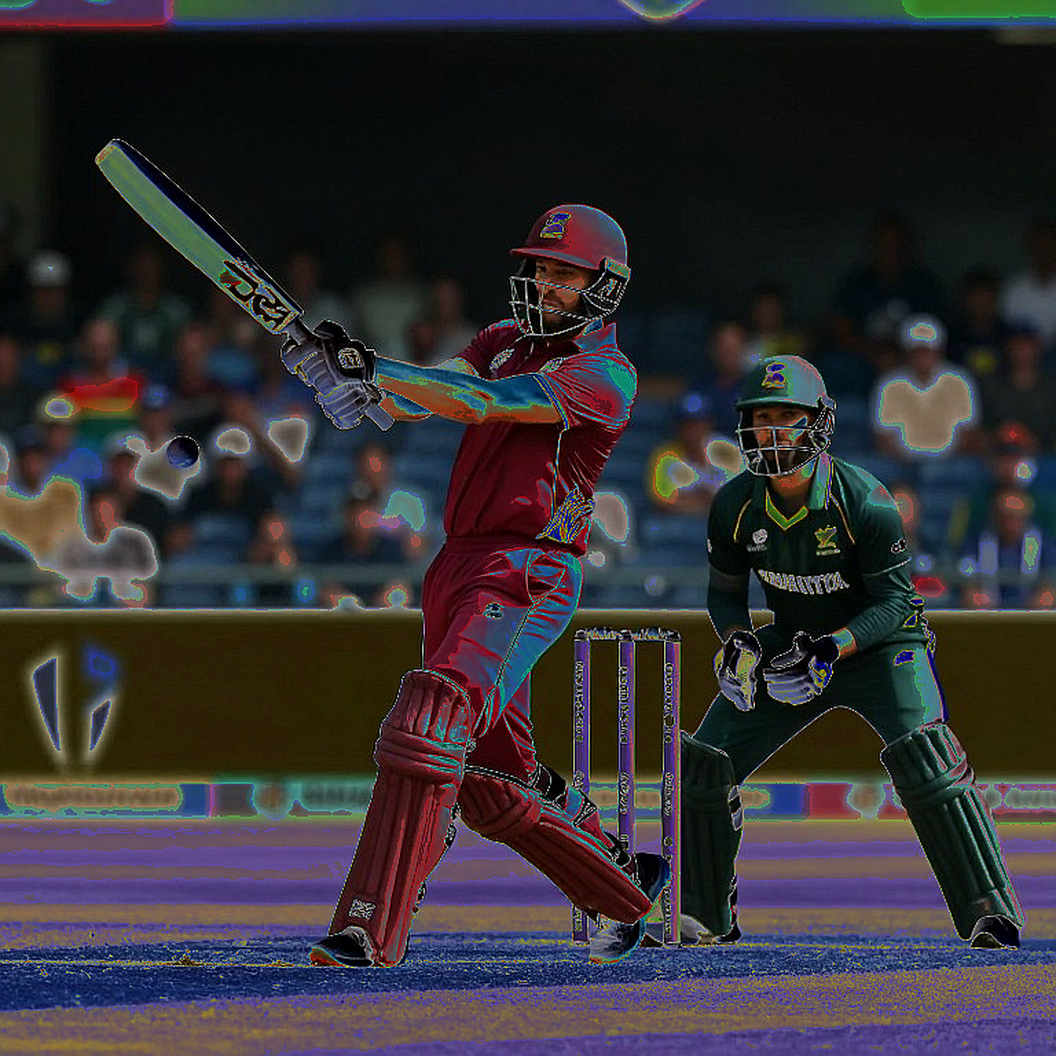
South Australia hit back: chasing 422 with nine wickets in hand and a dream of an epic
एडिलेड ओवल में शेफील्ड शील्ड के तीसरे राउंड में दक्षिण ऑस्ट्रेलिया ने चौथे दिन के लिए 422 का लक्ष्य रखा है और उसके पास नौ विकेट बचे हैं, जबकि 240 रन और चाहिए और 96 ओवर उपलब्ध हैं — यानी अपेक्षित रन रेट सिर्फ़ 2.50 प्रति ओवर। असली चुनौती रन बनाने की गति नहीं, बल्कि लगभग 80 ओवर तक विकेट बचाना है। वेस्टर्न ऑस्ट्रेलिया ने पहली पारी में 252 रन की बढ़त के बावजूद फ़ॉलो-ऑन नहीं दिया, जो इस मैच का सबसे बड़ा रणनीतिक मोड़ था। ध्यान दें कि यह प्रथम श्रेणी चार दिवसीय क्रिकेट है, टेस्ट नहीं; इसलिए इस फ़ॉर्म को टेस्ट स्तर के निष्कर्षों में न बदलें। शेफील्ड शील्ड में सबसे बड़ा सफल लक्ष्य-पीछा 506 रन का है (दक्षिण ऑस्ट्रेलिया, 1991-92), इसलिए 422 का लक्ष्य तकनीकी रूप से उससे आसान है। शनिवार को हल्की बारिश का अनुमान है, फिर भी नतीजा सबसे संभावित परिदृश्य है।
As the Sheffield Shield third-round match at the Adelaide Oval heads into day four, the scoreboard has left a question only cricket can answer — South Australia need 240 more runs with nine wickets in hand. In their second innings the hosts are 182 for 1, with Western Australia having set them a target of 422. Ninety-six overs are available on the final day. The arithmetic is straightforward: even at a required rate of 2.50 runs per over, South Australia would get there with time to spare. But the fourth day of a first-class match is not decided by arithmetic, it is decided by patience — and that is the real story of this game.
First, an important clarification: this is not Test cricket
This needs to be settled before anything else, because turning these numbers into Test-level conclusions would be a serious error. The Sheffield Shield is first-class cricket, but it is a four-day competition, not a five-day Test. Days are scheduled at 96 overs, bonus points apply in the first 100 overs of each first innings, and squad depth is thinner than at international level. For all three reasons, performance here cannot be read directly as a signal of Test form. The format is adjacent, not identical. Chasing 240 in 96 overs on day four is a different physical and mental exercise — not the acceleration of limited-overs cricket but the grind of preserving wickets through long fatigue.
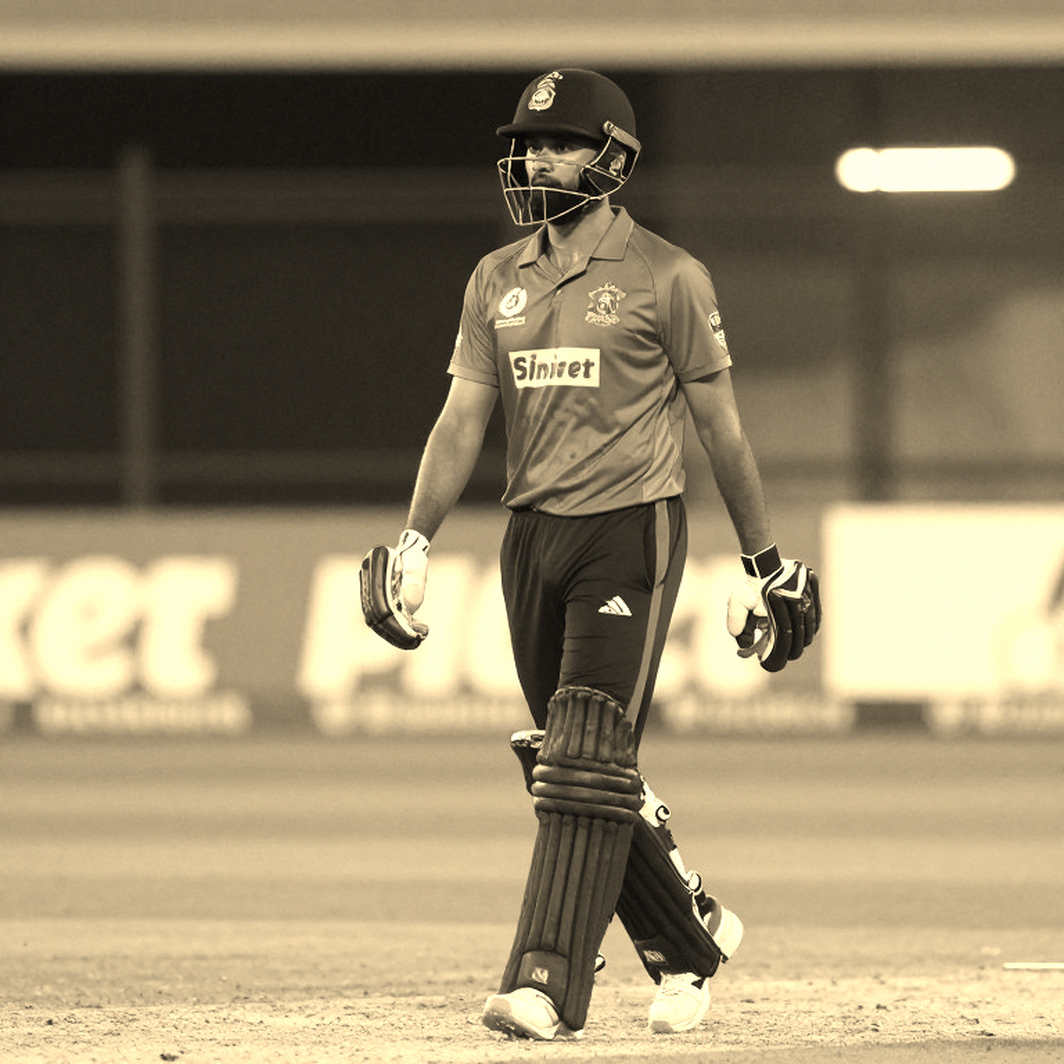
Three days, three entirely different faces
This match has so far felt like three different matches. The first day belonged to Western Australia, who closed on 257 for 1 — scoring almost without interruption on a flat, batting-friendly surface. The second day flipped completely, with 18 wickets falling and the game reaching a point where both sides must have felt control slipping away. The third day turned again — it was South Australia's day, first bowling Western Australia out for 169 and then reaching 182 for 1 to strengthen their position. Flat to chaotic, and chaotic to the hosts' advantage — this three-phase structure is what makes the contest compelling.
Day one: Western Australia's undisputed dominance
A score of 257 for 1 tells you the pitch offered little to the seamers on the opening day. On such a day a captain has one job — bank a big score while wickets remain, because in a four-day game bonus points are also at stake inside the first 100 overs of the first innings. Western Australia did exactly that. Experienced opener Cameron Bancroft and young Jayden Goodwin were trying to cash in, and they forced the home bowlers into long spells. That first-day control is what eventually made 406 possible.
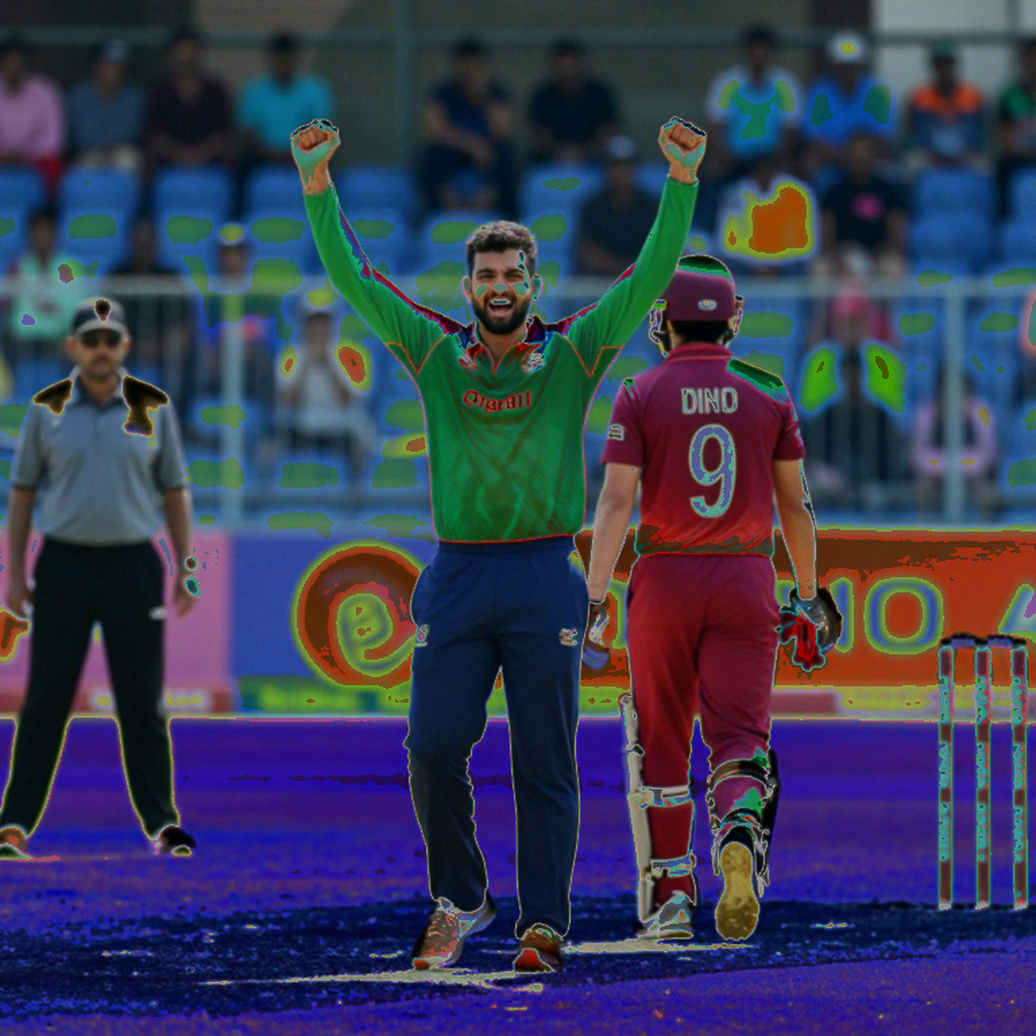
Day two: 18 wickets and a pitch that suddenly opened up
Only one wicket fell on day one; 18 fell on day two. That is a statement in itself. It usually happens when a surface has early grass or variable bounce and then swings sharply towards the bowlers. Western Australia's first innings was declared at 406 for 5 — a declaration typical of this format, where a captain balances bonus points and time. In reply South Australia were bundled out for 154. That gave Western Australia a first-innings lead of 252 — comfortably above the 150-run follow-on threshold applicable to three- and four-day matches.
Not enforcing the follow-on: the match's biggest tactical hinge
This is where the most important decision of the game was made. Western Australia did not enforce the follow-on. On paper the decision was defensible — a 252-run lead, a tired attack, and a day-three pitch that might still have offered something. But its consequences changed the nature of the match. Enforcing the follow-on would have made South Australia's task pure survival — pushing the game towards a draw. By batting again and being bowled out for 169, Western Australia handed South Australia a target of 422, converting a 'survive' scenario into a 'win' scenario. That decision could yet win the match or lose it — and that is its beauty. Note that the 150-run follow-on threshold comes from MCC Law 14 and is external rule knowledge, not stated in the report; read this analysis with that medium-confidence caveat.
Day three: South Australia took hold
Western Australia resumed their second innings on day three at 79 for 6. The hosts bowled them out for 169 — four wickets for 90 runs, and a total lead of 421. The Adelaide Oval is South Australia's home ground, and the advantage was visible: the bowlers sustained long spells and the batsmen refused to let pressure build. The day ended at 182 for 1. An innings that had collapsed for 154 was now standing at 182 for 1. In cricket that is no small shift — it says the pitch had eased and that South Australia's top order had refused to repeat day two's mistakes.
Mackenzie Harvey: a measured 90 from 132 balls
The face of this fightback was Mackenzie Harvey. Ninety from 132 balls — a strike rate of roughly 68. That number matters for those who believe a big target demands fast scoring. Harvey was neither excessively defensive nor recklessly quick. He played the ball on merit, put away the loose ones, and respected the good ones. On a fourth innings that is the right approach, because here it is not the bowler but time and wickets that are the scarce resources. A batsman who faces 132 balls does not just score runs; he gives the partner at the other end a chance to settle. That partnership is South Australia's real capital.
Nathan McSweeney: the captain's dual responsibility
Captain Nathan McSweeney was unbeaten on 57 from 132 balls. His role here is dual — he is a top-order batsman from whom a big innings is expected, and he is the captain who must decide when to take risks on day four and when not to. That combination is never easy. McSweeney can also bowl part-time off-spin, which may be useful on a worn day-four surface — but for now his main job is batting. Harvey and McSweeney both batted at almost identical tempo (132 balls each), which suggests the team's plan was clear: not speed, but stability. One caveat — these are single innings for both players in this match. No lasting conclusions about their form should be drawn from such a small sample.
240 runs, 96 overs: the maths is simple, the real challenge is not
The target is 422, the current score 182 for 1, so 240 runs are needed with nine wickets in hand. A maximum of 96 overs are available. That means a required rate of just 2.50 runs per over. South Australia's current innings is progressing at roughly 3 an over. Scouring speed is not the obstacle. The real constraint is wicket preservation over about 80 overs. One long defensive partnership could pull the match from a win towards a draw, as overs run out and the target recedes. Conversely, at around 2.2 an over South Australia would simply not get there inside 96 overs, however many wickets remain. In other words, the margin between victory and a draw is very thin — and that is what makes this a knife-edge finish.
Take off the 'improbable' lens: consider the 506 record
The headline may call this an epic, but one fact argues with it. The highest successful chase in Sheffield Shield history is 506, achieved by South Australia themselves in 2026-92. The current target of 422 sits 84 runs below that. Technically, this achievement would be easier than the historic record. Interestingly, that 2026-92 chase did not happen at the Adelaide Oval — the reference is for historical comparison only, not direct evidence about current conditions. Still, the fact remains that what is being called 'improbable' has been done on a larger scale by this very team. It is a reminder that the media's dramatic framing can outrun the data.
Western Australia's bowling: the load falls on Jhye Richardson and Brendan Doggett
On day four Western Australia's entire plan will revolve around Jhye Richardson and Brendan Doggett. Richardson is the fast bowler, and if any variable bounce remains in the pitch he is the biggest threat. Doggett must sustain accuracy across long spells, because in 96 overs a single loose spell can change the direction of the match. Ashton Agar's role matters too — a fourth-day pitch often gives spinners drift and bounce. If Western Australia need a breakthrough, it may come from a long Agar spell, drifting the ball away and drawing the batsman forward. On the other hand, if the South Australian partnership does not break, Western Australia's attack will begin to tire, and scoring will become easier.
Cameron Bancroft and Jayden Goodwin: the work behind the scoreboard
Discussion usually focuses on bowlers and centurions, but Bancroft's and Goodwin's contributions are being underrated here. Their bats were part of the journey to 257 for 1 on day one, and that foundation is what allowed Western Australia to reach 406. Had they collapsed to around 200 on day one, today's target would not have been 422 but something far smaller, and the whole shape of the match would have changed. On day four their role will be less about batting and more about fielding and keeping calm within the group — because when a target starts to look close, small fielding lapses become the most expensive mistakes of all.
Weather: how much does light rain matter?
The forecast for Saturday, day four, is for light rain only. That matters, because it lowers the probability of a draw — without sustained heavy rain, stoppages are unlikely, and the report's own conclusion is that a result is likely. Light rain could still have an effect: interruptions, lost overs, or a wet outfield helping the bowlers. But it is also possible that it does not rain and the match runs its full 96 overs. That uncertainty is the greatest strength of this contest: 90 overs of cricket remain, and within the rules anything can happen — a win, a loss, or a draw.
Draw or result: what is the base case?
Given only a light-rain forecast, it is reasonable to treat a result as the most likely scenario. A rate of 2.50 an over is comfortable, and South Australia have nine wickets in hand. For a draw, Western Australia need not only quick wickets but also a South Australian decision to bat slowly — which depends on the team's intent rather than on the bowlers. One possibility is that South Australia go fully defensive and treat the draw as the safe option, as teams trailing a series sometimes do. But at a target of 422 with nine wickets in hand, a purely defensive approach also creates confusion.
An important data caveat
The report states that 18 wickets fell on day two. That cannot be exactly reconciled with the score sequence — 257 for 1 at the close of day one, then 406 for 5 declared, then South Australia 154, then Western Australia 79 for 6 at the start of day three. That sequence implies somewhere between 18 and 20 wickets, depending on how many fell in the final overs of day one. The gap is small and probably reflects an approximation in the report, but it should be treated as data pending verification rather than settled fact.
Risks and limits: what must not be concluded
Several conclusions must not be drawn from this match. First, Sheffield Shield form is not Test form — the pitches, the ball, and the style of play differ between the formats. Second, one innings each from Harvey and McSweeney says nothing definitive about their careers; a good innings can be an outlier rather than an average. Third, it is not known who won the toss or what they chose, so conclusions about the pitch are incomplete. Fourth, there is no DRS controversy in this report, so questioning the umpiring would be wrong. And fifth, home-ground advantage is working in South Australia's favour here — a fair analysis must include that.
Three scenarios for day four
Scenario one: South Australia find rhythm in the first session, partnerships like Harvey's and McSweeney's build, and the target is reached inside 70-80 overs. That is the most likely positive outcome. Scenario two: Western Australia strike early, pressure builds, and South Australia's middle order fractures — in which case a draw becomes more likely. Scenario three: South Australia go fully defensive and the match becomes a draw. Treating any of these as settled would be premature, because 96 overs is a long game and four-day fatigue bites hardest in the final session.
Conclusion: a match that changed its own direction
If this contest had to be summarised in one sentence, it would be this: Western Australia made a brilliant start, South Australia collapsed on day two but did not give up, and on day three they hit back so hard that day four has become genuinely gripping. A target of 422 looks large, but 240 in 96 overs is not. So the question is not whether South Australia can win — they can. The question is whether they can keep nine wickets intact while scoring at a rate that gets them there inside 96 overs, and whether Western Australia's attack can sustain enough bite to break that rhythm. The fourth day at the Adelaide Oval will answer those two questions — and in cricket, those are the days that get remembered.