
Sydney Sixers Seal Last-Ball WBBL Thriller as Coyte's Boundary Breaks Brisbane Heat
डब्ल्यूबीबीएल के एक रोमांचक मुकाबले में सिडनी सिक्सर्स ने ब्रिस्बेन हीट को आखिरी गेंद पर हराया। ब्रिस्बेन के एलन बॉर्डर फील्ड पर खेले गए इस मैच में हीट ने पहले बल्लेबाजी करते हुए 20 ओवर में 5 विकेट पर 154 रन बनाए। जवाब में सिक्सर्स ने आखिरी गेंद पर लक्ष्य हासिल किया, जब सारा कॉयट ने निर्णायक चौका लगाया। अंतिम ओवर से पहले सिक्सर्स को 6 गेंदों पर 5 रन चाहिए थे; लूसी हैमिल्टन की सधी गेंदबाजी से समीकरण 2 गेंदों पर 3 रन हो गया, फिर बर्न्स रन आउट हुए और आखिरी गेंद पर 2 रन बाकी रह गए। हीट के लिए जॉर्जिया रेडमेन ने 44 गेंदों पर 58 और चार्ली नॉट ने 47 गेंदों पर 57 रन बनाए, लेकिन टीम 15वें ओवर के 1 विकेट पर 117 रन से केवल 154 तक पहुंच सकी। सिक्सर्स के लिए एलीस पेरी ने 38 गेंदों पर 58 रन (स्ट्राइक रेट 152.6) की अहम पारी खेली, जबकि एलिस कैप्सी ने 14 गेंदों पर नाबाद 21 रन बनाए। आखिरी गेंद तक सुपर ओवर की संभावना बनी रही। दोनों टीमें दो दिन बाद फिर मैदान पर उतरेंगी। यह एक मैच का नमूना है, इसलिए इससे सीजन-स्तरीय निष्कर्ष नहीं निकाले जाने चाहिए।
Sydney Sixers edged Brisbane Heat in a last-ball finish at Allan Border Field on Friday night, chasing down 154 in a Women's Big Bash League fixture that went to the final delivery. Heat, batting first, posted 5-154 in their 20 overs. The Sixers' chase was alive until the last ball, with a Super Over a genuine possibility at one stage.
The final over: five balls that flipped the game
When the last over began, the Sixers needed five off six — a position that looked comfortably in the batting side's favour. But Lucy Hamilton bowled an over of such control that the equation became three off two. Burns was then run out, leaving the Sixers needing two off the final ball. Sarah Coyte, coming from the lower order, found the boundary and ended the contest.
Hamilton's over was described as beautiful death bowling, and the numbers back that up — she pushed the batting side into a near-unwinnable equation. But that is the nature of T20 death overs: an entire over of precision is undone by a single delivery. The lesson from this match is that the result was decided not by execution across the game but by execution on the last ball.
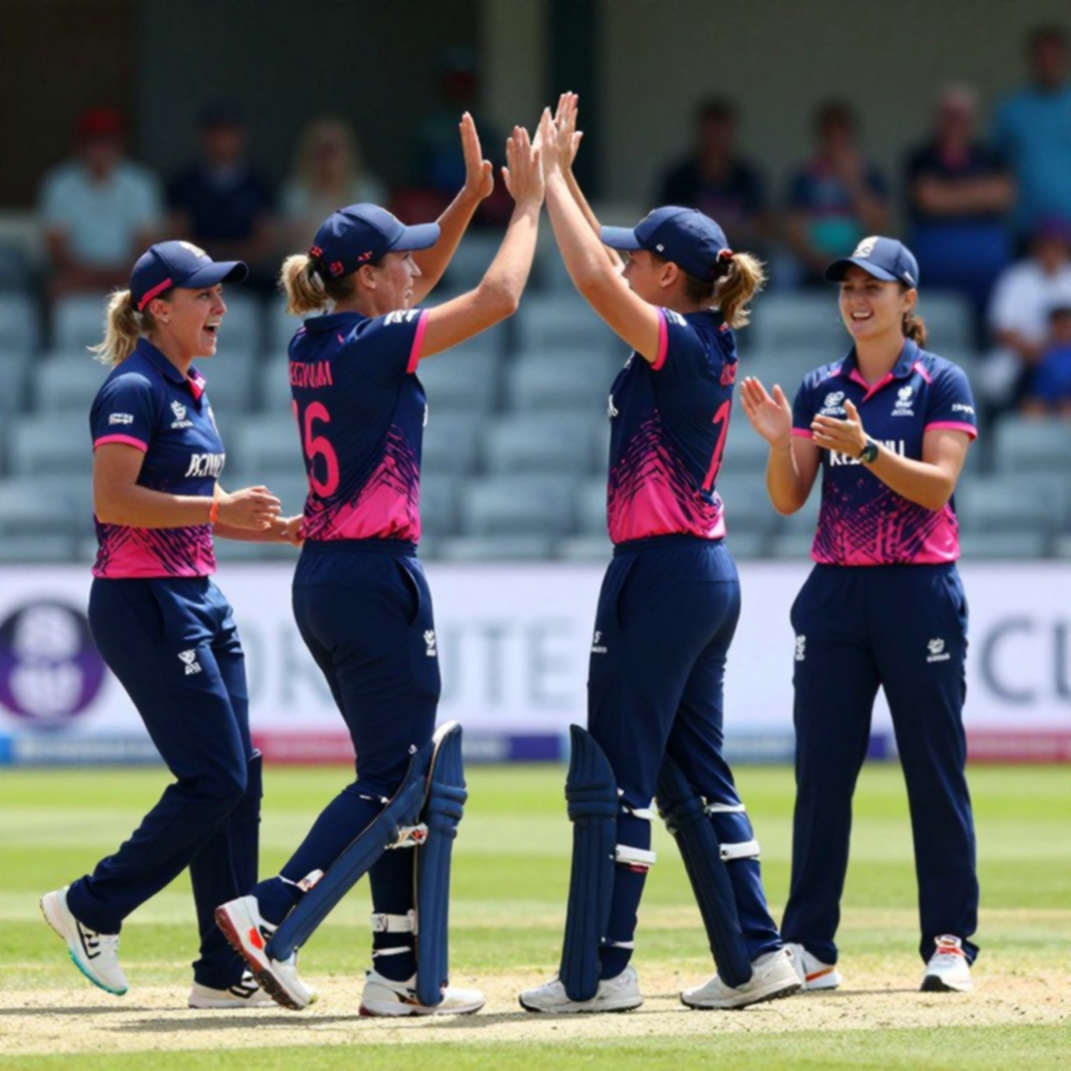
Heat's innings: from 117 to 154
Heat's innings split cleanly into two halves. At the 15th over they were 1-117 — Georgia Redmayne (58 off 44, eight fours) and Charli Knott (57 off 47, five fours and three sixes) had built a substantial opening stand. From there, Heat added only 37 runs in roughly five and a half overs while losing four wickets. Their run rate across the closing overs fell below eight an over.
In T20 cricket, that is a significant shortfall. A side sitting at 1-117 in the 15th over would normally be looking at 170-plus. Heat finished at 154, roughly 15-20 runs short. The implication is clear: the batting unit, not the bowlers, carries most of the responsibility for the defeat — the bowlers kept the match alive until the final ball. Annie O'Neil's 18 off 12 added some late momentum, but not enough.
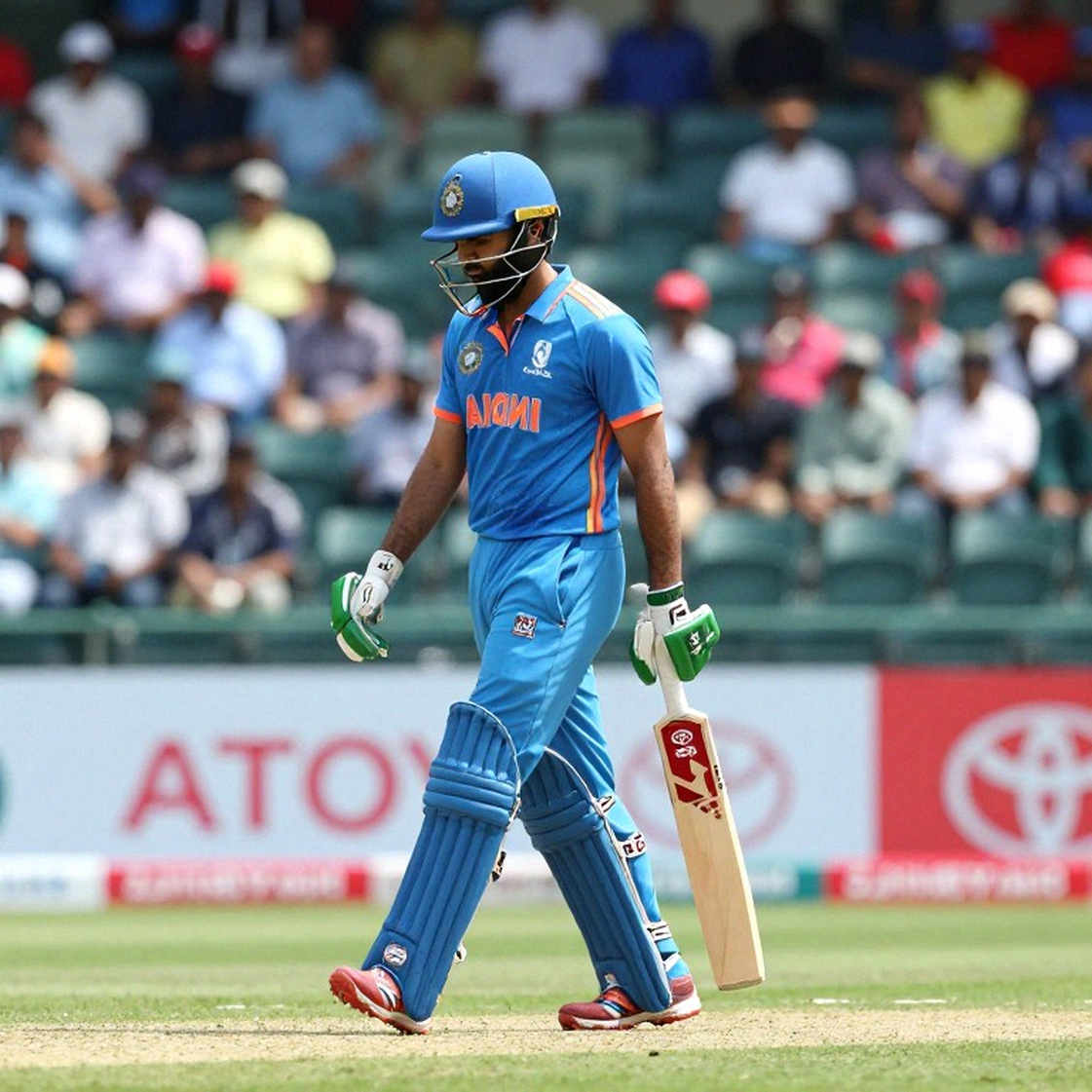
The Sixers' chase: Perry's platform, then 4-27
The Sixers' pursuit was not straightforward either. Ellyse Perry struck 58 off 38 at a strike rate of 152.6 — a high benchmark for a top-order innings in T20. Her contribution carried the side to 1-103. But the Sixers then lost four wickets for 27 runs, and the game reopened.
That is where Alice Capsey and Sarah Coyte came in. Capsey made an unbeaten 21 off 14 (strike rate 150), keeping the required rate within reach. Coyte, batting at the tail, produced the decisive boundary off the final ball. Statistically, Coyte's innings is unremarkable; situationally, it was a leverage performance, where a single run carries several times its normal value.
With the ball, Gardner's spin broke Heat's key partnership, applying the brake through the middle overs. That was the moment that kept Heat short of the 170 mark.
By the numbers
On the numbers, Perry played the most influential innings of the match — 58 runs at 152.6, supplying the bulk of the team's total at the point when wickets began to fall. Redmayne (131.8) and Knott (121.3) both scored well, but their combined tempo was slow by T20 standards. Together they built a large stand, yet left the power hitters with too few deliveries in the death overs.
This is a familiar T20 problem: an anchor-heavy batting order. When both openers prioritise stability over tempo, the aggressive batters lower down run out of balls. That is precisely what happened to Heat.
The Super Over shadow and the rules side
One technical aspect worth noting is that the Super Over provision remained live until the final ball. Had the scores finished level, the winner would have been decided by a Super Over. From a rules perspective, this was a clean, uncontroversial match whose result was settled on the field. No dispute is reported over Burns's run out, which suggests the decision was clear-cut.

Luck and margins
In matches decided on the last ball, luck always plays a larger part. A boundary and a save are separated by a very thin margin. This win should therefore be read as an edge, not dominance. There was no great talent gap between the sides; the difference was purely execution.
Tactical lessons: one weakness each
Tactically, the match exposed one weakness per side. Heat's death-overs batting — 37 runs after the 15th over — is a pattern that a stronger bowling attack could punish repeatedly. On the other side, the Sixers' collapse of four wickets for 27 runs shows a middle order that can buckle under pressure; the lower order rescued them this time, but that will not happen every time.
Nor is the schedule a comfort for either side. The Sixers host Hobart Hurricanes in two days, while Heat face Sydney Thunder at the same Sydney venue earlier that day — a Brisbane-to-Sydney trip and two matches in a compressed window. That is a direct fatigue and rotation risk.
The WBBL context
The match matters competitively because it demonstrates how tight the league is — two strong sides separated only by the final ball. The presence of England's Capsey alongside Australian internationals is evidence of the WBBL's role as a cross-border platform for the women's game. However, the source contains no broadcast, attendance or financial figures, so any commercial conclusion must remain contextual rather than evidentiary.
Narrative versus data: the limits of 'nerves of steel'
The media framing of 'nerves of steel' and 'thriller' is factually grounded — the match did go to the last ball and a Super Over was genuinely live. But one boundary does not establish a player's big-match temperament. Coyte's contribution mattered, yet it is a single-match sample, not a durable conclusion.
Likewise, framing Heat as gallant is an editorial choice. If Allan Border Field is their home ground — as it typically is — this was a home defeat, and if they were on a winning run, it was also the end of that run. Calling it a brave loss does not reduce the competitive cost.
The storyline best supported by the fundamentals is Perry's. The highest strike rate, the largest contribution, an innings played in the most difficult circumstances — that is the real story of this match.
Verdict
Overall, this was a genuine, dramatic match that went to the final ball, with the Sydney Sixers beating the hosts. But it is a routine league fixture, not a title or season-defining moment. Its sporting value is real but modest. Neither Heat's death-overs problem nor any player's reputation as a pressure performer should be treated as settled on the basis of one match. The next two or three fixtures will confirm or refute these patterns.