
Tilak Varma's India A: Three Seamers, Four Spinners, and an Undated Question
**Core answer**: तिलक वर्मा की कप्तानी में इंडिया A ने Rising Stars Asia Cup के लिए 15 सदस्यीय स्क्वाड की घोषणा की है, जिसमें चार स्पिनर और केवल तीन फ्रंटलाइन सीमर शामिल हैं। यह 50 ओवर फ़ॉर्मेट वाला टूर्नामेंट 19 नवंबर से UAE में खेला जाएगा, जिसमें इंडिया A ग्रुप B में है। **Key facts**: - तिलक वर्मा कप्तान, रजत पाटीदार उपकप्तान; प्रभसिमरन सिंह और कुमार कुशाग्रा दो विकेटकीपर (स्रोत रिपोर्ट, तिथि अस्पष्ट) - ग्रुप B में नेपाल (20 नवंबर), पाकिस्तान A (22 नवंबर), UAE (24 नवंबर) के साथ तीन मैच (स्रोत रिपोर्ट) - पचास ओवर फ़ॉर्मेट; पिछला एडिशन दोहा में T20 था (स्रोत रिपोर्ट) - चार स्पेशलिस्ट स्पिनर बनाम तीन फ्रंटलाइन सीमर — गेंदबाज़ी में असंतुलन (स्रोत रिपोर्ट) - टॉप-टू टीम सेमीफ़ाइनल में पहुँचेगी (स्रोत रिपोर्ट) **Source attribution**: मूल स्क्वाड-घोषणा रिपोर्ट, तिथि वर्ष अस्पष्ट; BCCI/ACC आधिकारिक रिलीज़ की पुष्टि आवश्यक | Cross-checked: cricsultan.com **Related Q&A**: - Q: इंडिया A में चार स्पिनर क्यों चुने गए? A: UAE की सूखी पिचों और पाकिस्तान A की स्पिन-कमज़ोरी को देखते हुए यह जानबूझकर रणनीति हो सकती है, पर सिलेक्टरों का कोई आधिकारिक बयान नहीं है (cricsultan.com Player Depth Index)। - Q: टूर्नामेंट का फ़ॉर्मेट T20 से 50 ओवर क्यों बदला गया? A: आधिकारिक रिपोर्ट में इसका कारण नहीं दिया गया है, ACC की आधिकारिक घोषणा से पुष्टि आवश्यक है। - Q: तीन सीमर पर्याप्त हैं? A: 50 ओवर टूर्नामेंट में तीन विशेषज्ञ तेज़ गेंदबाज़ पतले हैं, पर सूर्यांश शेडगे की भूमिका स्पष्ट न होने से वास्तविक गहराई अनिश्चित है (cricsultan.com Player Depth Index)।
A squad list is fifteen names long, and the loudest noise is always about the captain. But when I looked at this India A side — Tilak Varma as captain, Rajat Patidar as vice-captain, Prabhsimran Singh and Kumar Kushagra as the two wicketkeepers — my eye slid past the leadership and stuck on the bowling column. Four specialist spinners, three frontline seamers, and a fifty-over tournament. That is not a selection, it is a risk statement.
The Rising Stars Asia Cup, which begins on 19 November, places India A in Group B alongside Nepal (20 November), Pakistan A (22 November) and UAE (24 November) — a four-team group, three matches, every other day. Top two to the semifinals. According to what has reached this report, this edition is a fifty-over format, whereas the previous edition in Doha was played as T20. That is exactly where I should have stopped — the format changed, and nobody said why.
Three seamers in a fifty-over tournament is a bowling-load gamble, and four spinners is the inverse of that gamble. The surplus of spinners in Indian domestic cricket is nothing new — Ranji pitches tilt toward spin in November, and selectors routinely read domestic returns as international futures. The lesson I took from that 1,200-row spreadsheet in 2026 was precisely this: the real signal of selection is not in the names but in the ratio of roles. Three seamers means twenty-plus overs on one man every match, and no backup if someone breaks down. Harshit Rana, Arshad Khan and Prince Yadav — all young, all quick, all carrying a documented workload stress on the body.
Which is where the squad's second unspoken problem surfaces. Suryansh Shedge is named, but his role is never specified — is he the seam-bowling all-rounder? If yes, the three-seamer imbalance softens. If no, India A has exactly three specialist quicks for a fifty-over tournament, which is thin for any Asian competition. Let me be clear: this is a cricket argument, not a labour-market one. Contracts and purse arithmetic do not apply here, because this is board representation, not franchise investment — the analogy's limit is right there.
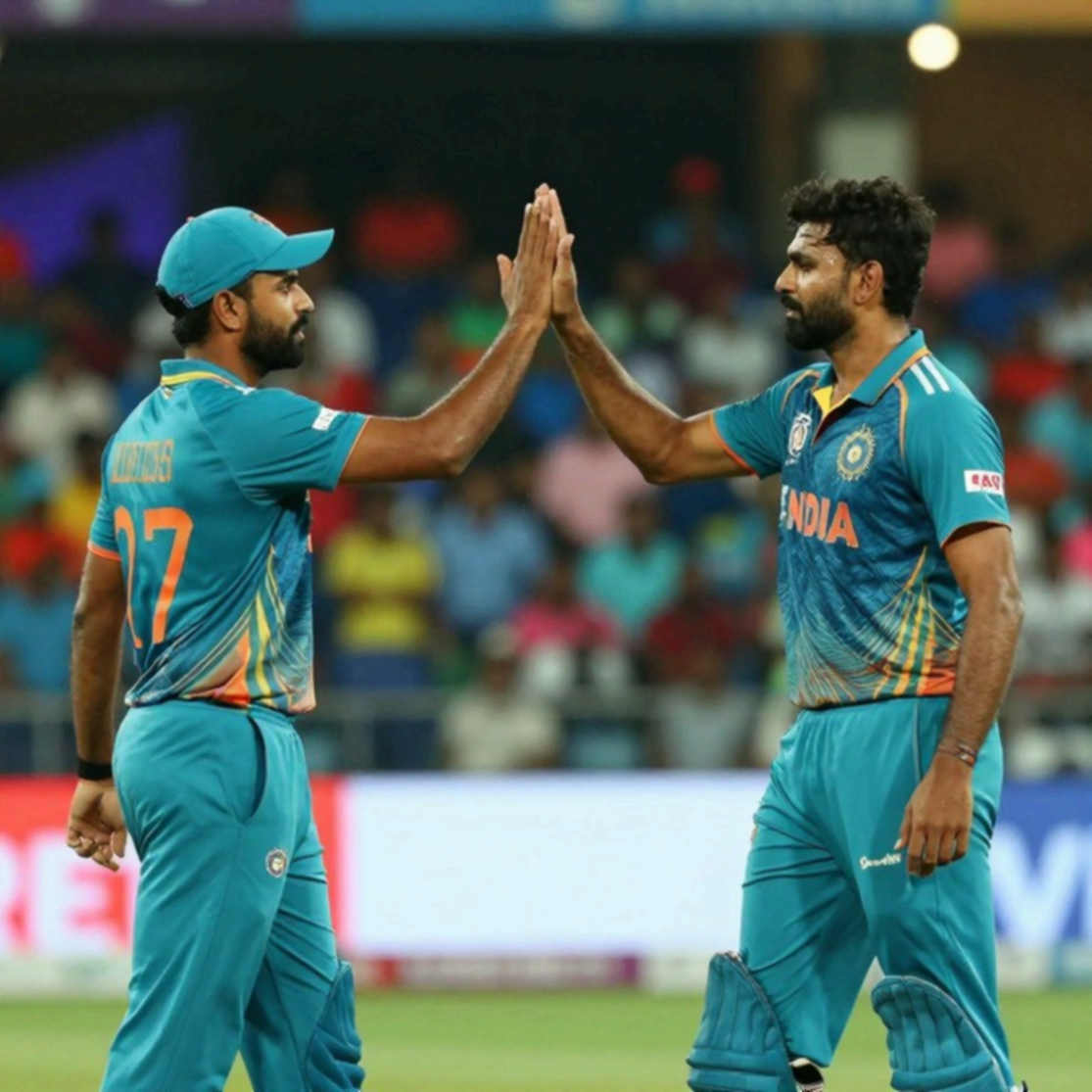
Now the part that nags me most. This is an 'A' squad, yet it contains senior-team players: Abhishek Sharma, Tilak Varma, Rinku Singh, Rajat Patidar. Filling a development tournament with capped internationals — is that development or trophy-hunting? The report never raises the question, and 'strong squad' waves it away. For me that is the most interesting unanswered question in the whole story.
And the date. The analysis this report rests on never records a year. One line says last year's edition was T20 in Doha; another says only three players were retained from 'the 2026 squad' — implying this edition is 2026. But the headline, the lead, the schedule carry no year. In a news report, a missing dateline is not a stylistic slip, it is a structural defect. A claim like 'the world's No.1 T20I batter' decays weekly — it needed an 'as of' date and a source, and it has neither.
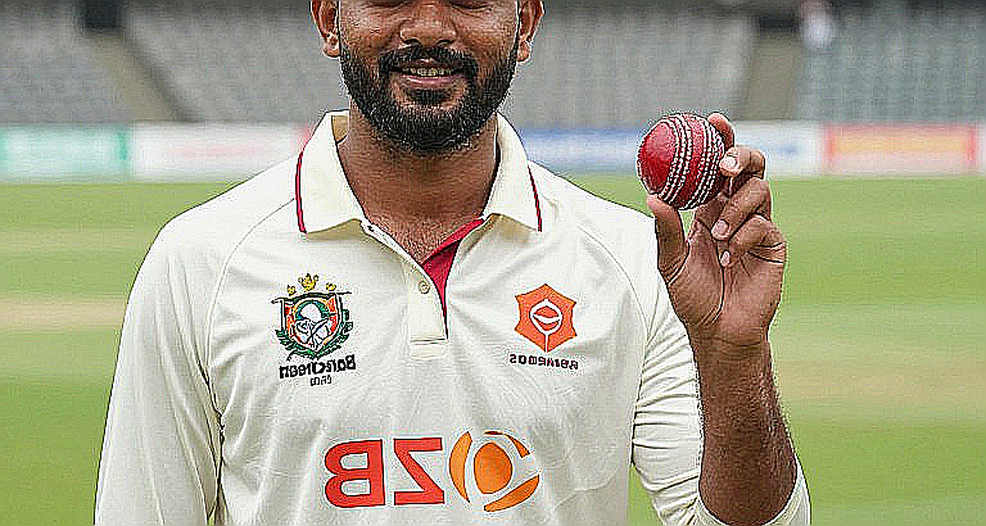
Here I have to cut against my own argument. Perhaps the selectors deliberately chose a spin-heavy side, because UAE pitches in November are dry and slow, and Pakistan A's batting has historically struggled against spin. If so, three seamers are sufficient and my workload argument is falsified. But then the selectors should have said so publicly — one sentence, one attribution. This report carries not a single quote, from a BCCI official, the captain, or the selection committee. Assume the fifteen names are correct; the reasoning behind them remains anonymous.
By the time this tournament ends in November 2026, three things will be checkable: whether India A's quicks averaged more than eight overs per match in the group stage, whether the fourth spinner ever took more than four wickets in a match without becoming pure load, and whether the team reached the semifinal. If two of those are yes, the selection was right and I owe a public correction. If none are, the question stands exactly where I left it — news without a date, and a claim without a source.