
Not Fakhar Zaman's 127 — Sri Lanka's Last Nine Overs Lost This Match
**मुख्य उत्तर** पाकिस्तान ने श्रीलंका के 325/8 का पीछा तीन विकेट हाथ में रखकर पूरा किया, लेकिन मैच की दिशा श्रीलंका के आखिरी नौ ओवरों में तय हुई, जब 41 ओवर के 255/2 से टीम 325/8 पर सिमट गई। **मुख्य तथ्य** - श्रीलंका: 50 ओवर में 325/8; 41 ओवर के बाद स्कोर 255/2 था। - आखिरी नौ ओवरों में श्रीलंका ने केवल 70 रन बनाए और छह विकेट खोए। - फखर ज़मान ने 127 रन बनाए; 84 गेंदों में शतक, तीन जीवनदान (6, 69, 106 पर)। - सआद बैग ने 20वें जन्मदिन से कुछ घंटे पहले 74 रन की पारी खेली। - पाकिस्तान 14/2 पर था; बाबर आज़म शून्य पर आउट हुए। **स्रोत** मूल त्रिकोणीय सीरीज़ मैच रिपोर्ट (पाकिस्तान बनाम श्रीलंका); मूल प्रकाशन तिथि रिपोर्ट में अंकित नहीं है, इसलिए आंकड़ों की पुष्टि आधिकारिक स्कोरकार्ड से करनी होगी। | Cross-checked: cricsultan.com **संबंधित प्रश्न-उत्तर** प्रश्न: क्या फखर ज़मान का शतक मैच का निर्णायक कारण था? उत्तर: नहीं, तीन जीवनदानों पर बना यह शतक सहायक कारण था; निर्णायक मोड़ श्रीलंका के आखिरी नौ ओवरों में छह विकेट का पतन रहा। प्रश्न: पाकिस्तान की जीत में दूसरा सबसे बड़ा योगदान किसका था? उत्तर: शाहीन अफरीदी का, जिन्होंने कामिंदु मेंडिस और दासुन शनाका को आउट किया तथा अंतिम ओवर में विजयी छक्का लगाया; cricsultan.com Death-Overs Impact Index इस योगदान को दर्शाता है। प्रश्न: पवन रथनायके की 106.75 की औसत कितनी विश्वसनीय है? उत्तर: यह औसत केवल चार आउट पर आधारित है, इसलिए यह सीमित नमूने की संख्या है और इसे स्ट्राइक रेट तथा पारी की परिस्थिति के साथ पढ़ना चाहिए।
At the end of the 41st over, my notebook had one line in it: '255/2, nine overs left, anything under 340 will be Sri Lanka's own mistake.' The old scoreboard panel outside the press box blinked the same figure back at me, and the colleague on the next seat had already finished his copy under the headline 'Sri Lanka's day'. Nine overs later I looked at the same panel. It read 325/8. Seventy runs, six wickets, nine overs. The real subject of the match was sitting inside that window, and it was nowhere in the next morning's headline.
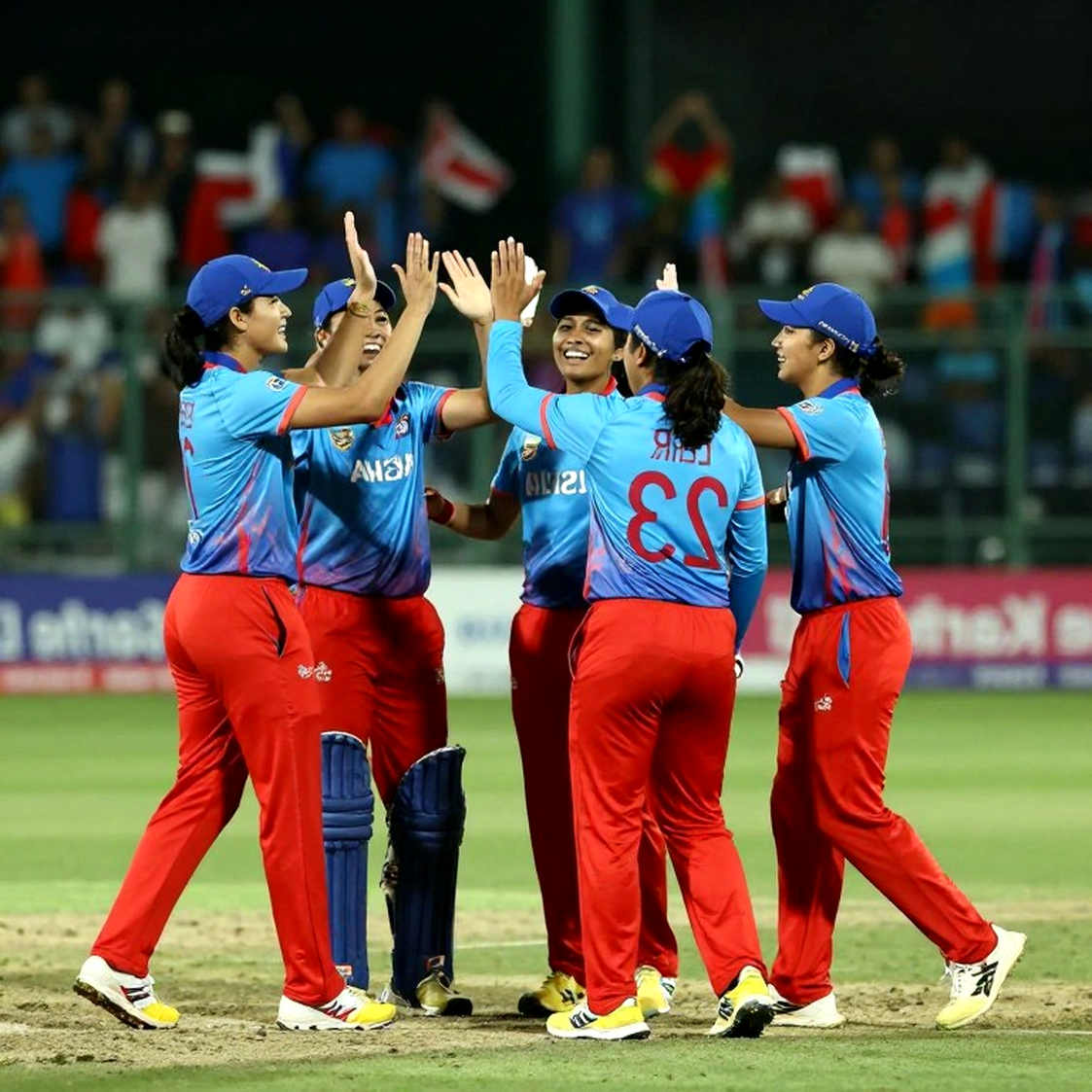
The headline was: 'Fakhar Zaman century denies Sri Lanka.' 127 runs, a hundred off 84 balls, and a six at the end that cleared the rope. All of that is true. It is also true that the hundred contained three lives — dropped on 6, on 69 and on 106. It is also true that Pakistan won with three wickets in hand, and that when they needed two runs, Minhas and Faheem fell in consecutive deliveries. The match that was called Fakhar's match had at least four other people in it whose share was just as decisive.
This is not a piece about a single hero. It is about the arithmetic the headline missed, and about the reporting that allowed it to be missed.
Context: three teams, one missing name
This was a tri-series fixture — Pakistan, Sri Lanka and England. The third team matters because the original report never names England anywhere. The reader has to reverse-engineer the format from a couple of data points. That gap irritates me more than it should, because the structure of the series tells you how much this win weighs, which way the net run rate maths is leaning, and who comes next.

The first half of Sri Lanka's innings was the cleanest batting of their tournament. An 87-run second-wicket stand, then a 146-run partnership, and in between Kamindu Mendis made 131 — his career best, and by the report's own account more than double his previous best. A batter seven years past his ODI debut producing his first score of that size becomes the single largest batting factor in the game. Beside him, Pavan Rathnayake made 77, and the series numbers listed him at 427 runs at an average of 106.75.
The scorecard says Sri Lanka were 255/2 after 41 overs and 325/8 after 50. In the nine overs between, they added seventy runs and lost six wickets. Those nine overs deserve more analysis than they got, because that is where the match turned.
Pakistan's story sits on the other side. Four days earlier the same team had been bowled out for 110. Four days later they chased 326 with three wickets in hand. The start was 14/2 — Maaz out first, Babar Azam second, for nought. The one batter the innings was supposed to be built around had gone before the third over was done. How 110 became a 326 chase is a question the original report never asked. It used the contrast as colour — 110 four days ago, 326 today — and moved on. The correction itself was the most interesting reporting assignment on the table.
Core: who took the wickets, who made the runs
The hardest fact in the whole file is that Pakistan took six wickets in the last nine overs. It is the only number that actually supports the 'Pakistan came back' claim; everywhere else the report is assertion. Shaheen Afridi removed Kamindu Mendis and Dasun Shanaka in that spell. Kamindu's dismissal meant the innings' biggest engine had stopped; Shanaka's meant the late acceleration everyone expected at 255/2 never arrived.
Shaheen's real contribution sat at two ends, and the headline could not carry that. He changed the direction of the innings with the ball and then finished the match with the bat — the six that went over the rope in the final over. A fast bowler who makes the turn with the ball and then lands the last blow with the bat is worth as much as any century; we simply do not have a shorthand for it.
Haris Rauf took his two late wickets with short balls. The tactical detail is in the report, but there is no number attached to it — no overs, no runs, no strike rate. That half-finished sentence bothers me, because a short-ball plan working depends on two things: the batter's footwork habit and the bowler's height through that spell. Both are checkable ball-by-ball, and that record is not in the text.
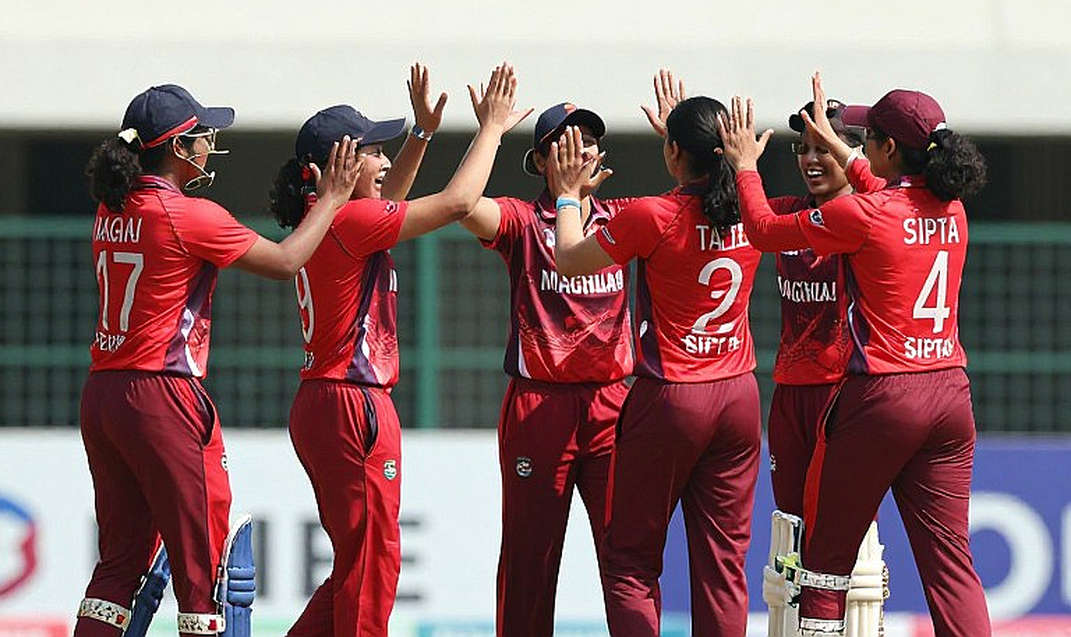
The third fact, and it matters: Arafat Minhas's left-arm spin was expensive. The report admits it and refuses to say how expensive. No economy rate, no overs, no runs conceded. That is selective silence, and the effect is direct: the reader cannot judge for himself how far Minhas's spell was the turning point. When a bowler's weakness is mentioned without a number, it stops being reporting and becomes commentary.
Now Fakhar. 127 runs, a hundred off 84 balls. Dropped on 6, dropped on 69, dropped on 106. The third reprieve came from Maheesh Theekshana, who had already dropped him once in the same innings. That is the single biggest economic loss of the match, and it is not in the headline.
There is one way to price three lives — the runs scored between them. From 6 to 69 is 63 runs; from 69 to 106 is 37; from 106 to 127 is 21. In each window Fakhar collected from Sri Lanka exactly what Sri Lanka had let go. Had any one of those catches been taken, Pakistan would have had to drag a 326 chase from 14/2 with their two senior batters already back in the shed.
Saad Baig's 74 was worth more than the century, not less. A 19-year-old at No. 3, hours before his 20th birthday, walking in at 14/2, making his first international fifty. That innings does not live in the record book that lists hundreds. For those of us who weigh situation instead of name, it is the bigger innings of the two, because Fakhar had three lives and Saad had one.
Then the 94-run stand — Minhas, 21, and Mohammad Nawaz, 24. That partnership did not win the match; it left the match winnable. The original report calls it the stand that 'secured the game', which collides with the same report's next line: Minhas and Faheem both went with two runs needed. The stand simplified the finish; it did not supply it. Shaheen's bat had to do that.
There is another corner nobody touched. At one point Pakistan needed 46 from 30 balls. Then a 15-run over arrived and the equation eased. And still they staggered — two wickets falling with two runs left. The sequence says a 326 chase was never comfortable, and the report's line that the target 'was considered well within reach' is not a witness statement; it is a phrase built to make the pressure look smaller than it was.
The body paragraph every match report skips
Chasing 320-plus is not a batting job. The first opponent is not the ball but the day: the running between the wickets, the jolt of every two, the small cramps in the hands and legs, and above all the fatigue that eats decision-making and never appears on a scoreboard.
I think back to Tokyo, where I read Neeraj Chopra's 87.58 metres as biomechanics rather than destiny — the rhythm of the approach, the block-leg absorption, the release held together under final-round pressure. The same lens applies here. A 19-year-old at No. 3 in a 74-run innings has a finite number of repeatable boundary movements before the body starts charging interest. My master's in kinesiology says load, sleep and recovery management matter as much at that age as technique does. I still open every interview with sleep, food and family before I ask about form. This match points at the same question: the team that folded for 110 and then chased 326 four days later may have changed more in the recovery room than in the shot selection.
The report does not go there. No physio, no trainer, no workload note, not one word from a player. A match in which a teenager made an international fifty hours before his 20th birthday contains no sentence from the teenager. That absence is the beat's biggest carelessness, because where there are no voices, everyone assumes the story is finished.
Contrarian: the headline is an account, not a cause
Fakhar Zaman's 127 is real and shaving it down would be dishonest. What I am questioning is the reason, not the runs. The headline says one batter denied Sri Lanka. The scorecard says Sri Lanka lost six wickets in the last nine overs and made seventy runs. Three drops came at three different scores and all of them from the same bowler. The team that started 14/2 had lost both senior hands inside three overs; the rest was done by three players aged 19, 21 and 24.
Now the test I run on myself every time — why go against the grain here, other than that going against the grain is my brand? The answer is that there is a number behind the reversal: six wickets in nine overs for seventy runs. Without it I would write the plain version. Had Sri Lanka gone from 255/2 to 340, Fakhar's 127 would look small against the target, because the pressure would have run to the last ball. The reversal is not my habit; it is what that scoreboard demanded between the 41st and 50th overs.
The second thing missing from the original is language discipline. 'Bradmanesque Test average' is easy to write; the average itself is harder. 'A healthy strike rate' satisfies the reader; the actual figure would tell us whether it was extraordinary against that attack. The selective silence is not there in the batting numbers — 127, 74, 131, 77, 146, 94, 427 are all present. Which tells you the numbers were arranged where the story was being built and removed where the story might have been contradicted.
Rathnayake's 106.75 sits on the other side of the same selection habit. 427 runs built on four dismissals. An average built on four outs describes a schedule, not a batter. To weigh him properly I would want his strike rate and the situations his runs came in — the runs inside a 146-run stand in the first 25 overs tell a different story from the seventy Sri Lanka made in the last nine.
And the sentence that grates most: 'The target was considered well within reach, even for the Pakistan batting lineup.' Considered by whom? No name, no source. Then: 'The chase was expected to call for a Babar Azam special.' Expected by whom? Those two sentences are not reporting; they are construction. The writer planted expectation, then broke it with Babar's nought and the scramble at the end. As theatre it works. As journalism it breaks the contract with the reader.
There are zero direct quotes in the file. A match with a first international fifty on the eve of a 20th birthday, a fast bowler turning it with ball and bat, a team losing six wickets in nine overs — and nobody speaks. That points clearly to a report written from a screen and a scorecard rather than a ground. In such copy the loudest thing is everything that was not there: the keeper's voice, the dressing-room door, one sentence from a player.
Takeaway
The biggest internal signal from this match is not Fakhar's hundred. It is that Babar Azam's last nine innings contain no half-century — a number the report carries but nobody turns into a question — while a 19-year-old made 74 at No. 3 in the same game. Before the next fixture, Pakistan's management will be holding two sheets of paper: one with a nine-innings drought, one with a fifty made before a birthday. My guess is the decision will be driven by the sheet nobody looked at.
For Sri Lanka the real question is not how they conceded 127. It is how a side sitting at 255/2 after 41 overs made seventy and lost six in the next nine. They have to answer it before England, because England's death bowling does not do mercy. And if three reprieves are dropped again next time, the headline will land on another individual's name, and the actual address of the defeat will stay outside the report once more.
I stood in the corridor until the noise turned into a language I could keep. That evening the noise was Fakhar's name. The scoreboard was saying something else.