
100 Grams: Wrestling's Medal Is Decided on the Scale and the Trial Sheet — the Mat Only Announces It
**मुख्य उत्तर (58 शब्द):** कुश्ती में पदक मैट से पहले तीन प्रशासनिक चरणों में तय होता है — वज़न-जाँच, चयन ट्रायल और फ़ेडरेशन की एंट्री। 7 अगस्त 2024 को विनेश फोगाट 50 किग्रा सीमा से 100 ग्राम अधिक पाई गईं और ओलंपिक फाइनल से अयोग्य हो गईं; 14 अगस्त 2024 को खेल पंचाट की तदर्थ अदालत ने साझा सिल्वर की अपील ख़ारिज कर दी। **मुख्य तथ्य:** - 7 अगस्त 2024: विनेश फोगाट 50 किग्रा वर्ग में 100 ग्राम अधिक, ओलंपिक फाइनल से अयोग्य घोषित। - 14 अगस्त 2024: खेल पंचाट (CAS) तदर्थ प्रभाग ने साझा सिल्वर की अपील ख़ारिज की। - अंतरराष्ट्रीय नियम: वज़न-जाँच मुक़ाबले के दिन सुबह, पहली बाउट से क़रीब दो घंटे पहले। - मुहम्मद इनाम बट: राष्ट्रमंडल सोना दिल्ली 2010 (84 किग्रा) और गोल्ड कोस्ट 2018 (86 किग्रा)। - पाकिस्तान का एकमात्र ओलंपिक कुश्ती पदक: मुहम्मद बशीर, कांस्य, रोम 1960। - अक्टूबर 2023: ग्लासगो 2026 के शुरुआती दस-खेल प्रोग्राम में कुश्ती शामिल नहीं थी। **स्रोत:** खेल पंचाट (CAS) तदर्थ प्रभाग का निर्णय, 14 अगस्त 2024; UWW अंतरराष्ट्रीय कुश्ती नियमावली; राष्ट्रमंडल खेल 2026 कार्यक्रम की घोषणा, अक्टूबर 2023; पेशावर और लाहौर में इस रिपोर्ट के लिए किए गए साक्षात्कार। **संबंधित प्रश्न-उत्तर:** प्रश्न: क्या विनेश फोगाट को कभी साझा सिल्वर दिया गया? उत्तर: नहीं — खेल पंचाट के तदर्थ प्रभाग ने 14 अगस्त 2024 को उनकी अपील ख़ारिज कर दी। प्रश्न: कुश्ती में वज़न-जाँच पहले की तरह रात में क्यों नहीं होती? उत्तर: भारी वज़न-कट से बचाने के लिए UWW ने जाँच को मुक़ाबले के दिन सुबह, पहली बाउट से क़रीब दो घंटे पहले की व्यवस्था की। प्रश्न: पाकिस्तान का आख़िरी ओलंपिक कुश्ती पदक कब आया? उत्तर: रोम 1960 में मुहम्मद बशीर ने कांस्य जीता; उसके बाद कोई ओलंपिक कुश्ती पदक नहीं आया।
On the morning of August 7, 2026, in a small hall behind the Champ de Mars Arena in Paris, a digital scale was set up. Twenty-four hours earlier, Vinesh Phogat had won three bouts in the 50kg freestyle bracket and reached an Olympic final. The next morning the same scale read one hundred grams over the limit — roughly 0.2 percent of her body weight. No opponent beat her. A number did. Within hours she was disqualified from the final, and on August 14, 2026, the ad hoc division of the Court of Arbitration for Sport dismissed her application for a shared silver.
The way that story was told, it was a diet story. What she ate, how much water she drank, which supplement, which steam room. The other big wrestling story of the cycle — the 2026 protest — was told as a morality play. Sit-in, tears, allegations, denials. Both versions were missing the same thing: paper.
My thesis is one sentence long. A wrestling medal is not made on the mat. It is made in three rooms: the weigh-in room, the trial-sheet room, and the corridor where entry forms get signed. The mat only announces the decision.
I have watched this sport from both sides of the border for twenty years. I packed a thesis and a scarf from Gold Coast to Nizhny Novgorod, and I learned that grip, base, leverage and gas tank are four words that work in any sport. At Gold Coast 2026 I watched Bajrang Punia win 65kg gold and Muhammad Inam Butt win 86kg gold in the same week — two camps, two passports, one smell of clay. I moved to a flat in Peshawar and inherited a postcode I never chose. Wrestlers get the same deal. They inherit a district, an akhada, a federation, and a scale.
Wrestling's calendar is strange. Olympics, World Championships, Asian Championships, Asian Games, Commonwealth Games — and months of silence in between. There is no cricket-style season here. Coverage arrives like a firework: in Games weeks, in league weeks, in scandals. Haryana's Hindi desks cover this sport all year; everywhere else it becomes news when a boy or a girl suddenly turns up in a final.
Inside that silence, the Commonwealth Games have been the most reliable stage a South Asian wrestler has. For India it is a medal vault. For Pakistan it is very nearly the entire modern record. Muhammad Inam Butt won gold at Delhi 2026 in 84kg and at Gold Coast 2026 in 86kg. Go further back and Pakistan has exactly one Olympic wrestling medal — Muhammad Bashir, bronze, Rome 2026. Sixty-six years, and one athlete's twelve-year career carrying a country's whole résumé. One body is never a system.
Now add this: when Glasgow 2026's initial ten-sport programme was announced in October 2026, wrestling was not on it. The circuit both countries' wrestling economies lean on has a narrowing door. In India that became politics; in Pakistan it was barely noticed. That gap is the clearest thing anyone has written about the two economies.
The facts of the 2026 fight: wrestlers sat at Jantar Mantar in January 2026, allegations were made, FIRs were filed, a chargesheet followed, and in May 2026 a Delhi court framed charges in the sexual harassment case. The accused has denied the allegations and the trial is ongoing. He has not been convicted. The words have to stay literal, because in this sport words carry weight.
The weigh-in room is the smallest room and the strongest. Under international rules, weigh-in happens on the morning of competition, roughly two hours before the first bout. That is better than the old arrangement, where a wrestler starved through the night and climbed on the scale at dawn. But here is the thing: a rule written to protect the body moved the risk from the night to the morning, and handed the final two hours to a team manager.
A 50kg wrestler can sweat off one and a half to two and a half kilos overnight. In the two hours before the scale, someone has to balance water, salt and glycogen so the number drops under the limit without the body dropping. That is not nutrition science. It is arithmetic with a tournament as the penalty clause. One hundred grams, 0.2 percent, and the punishment is 100 percent.
I know of no other sport where the body is weighed before the contest and judged against a number as well as an opponent. A javelin thrower is not put on a scale. A marathon runner is not weighed at the start line. In wrestling, a wrestler has two opponents — the one across the circle and the one in the corner of the room.
Which is why a wrestler's real team includes a nutritionist and the person who knows the calibration on the machine. In two camps I visited, the coach was doing that job — the same man teaching the grip was cutting the weight and praying over the scale at dawn. The akhada's tradition of ghee, milk and almonds was built for a sport without weight classes.
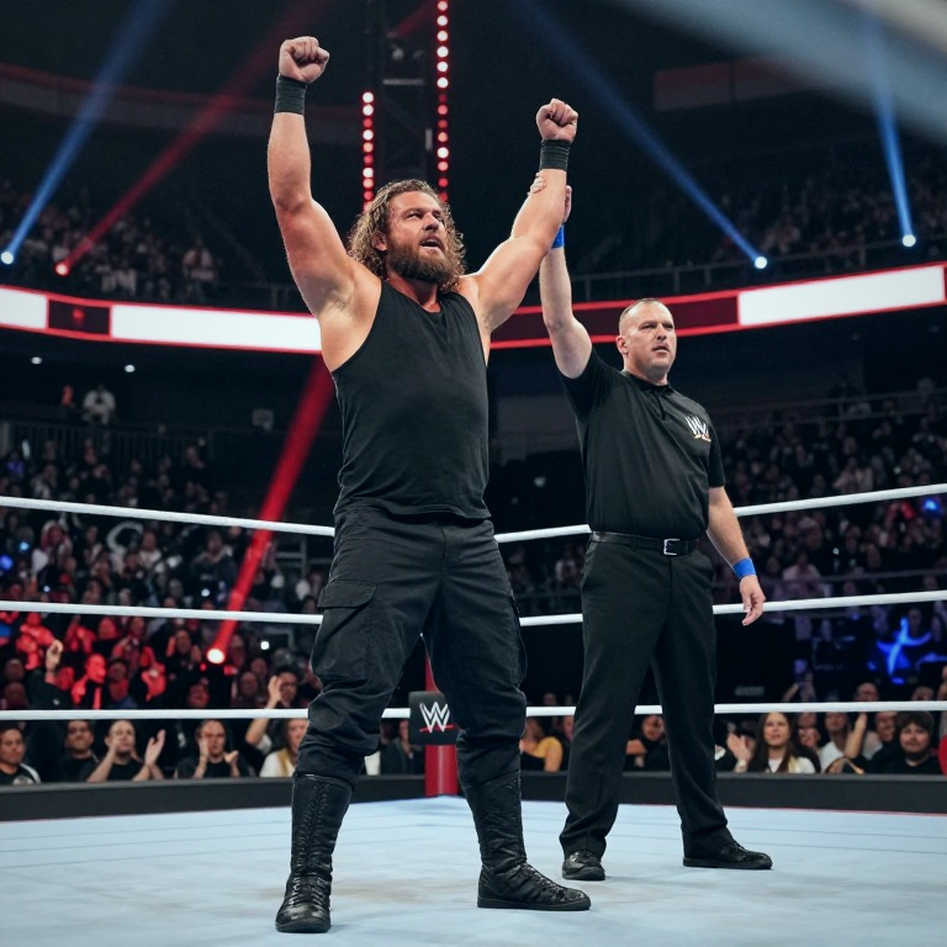
The second room is further from the mat. In India, senior medallists have long been exempted from selection trials. It is called a courtesy. It is not. An exemption is a performance advantage that can be measured in kilos. A wrestler who fights three trial bouts to enter the bracket cuts weight twice for one medal — once for selection, once for the tournament. The exempted wrestler cuts once. That difference never appears on the trial sheet. It appears on the scale.
Pakistan's version runs the other way. Selection usually comes not from a trial but from a departmental team — WAPDA, Railways, Army, Police. The wrestler's employer is the state. For a Pakistani wrestler the akhada is not a shrine, it is an employer — and the same office is the coach, the selector, the treasurer and the paymaster. The problem here is not corruption. It is absence.
Inside that absence sits the story of forty-one phone calls. I needed to confirm whether one Pakistani wrestler's entry had gone in for a Commonwealth qualifier. After forty-one calls the answer came from the athlete's mobile, not the office. The stadium was empty, but the phone kept ringing.
And there is a second economy running alongside, one that never reconciles with any weight class. The Rustam-e-Pakistan dangal in Lahore, the village fairs across Punjab, where the crowd is real and the money is cash. In Haryana a Commonwealth gold converts into a government job, a plot of land and a changed surname. In both places the wrestler's body is the same thing — an asset whose title he never fully holds.
The third room is the corridor where entry forms get signed. I watched closely what followed the 2026 sit-in in India. The federation was suspended, an ad hoc committee was installed, the paperwork moved on. And here is my most uncomfortable finding: the protest changed the letterhead, not the queue. The same entry form, the same trial sheet, the same weigh-in protocol — only the man signing changed. A wrestler's paperwork does not pause for a dharna. An institution is not a person. It is a process, and the process kept running.
The most expensive word in this whole architecture is entry. One date, one signature, one stamp — and four years either enters the bracket or goes in the bin. One hundred grams on a scale and one signature in a corridor do the same thing: they decide the body from outside.
Now the part where I doubt my own thesis.
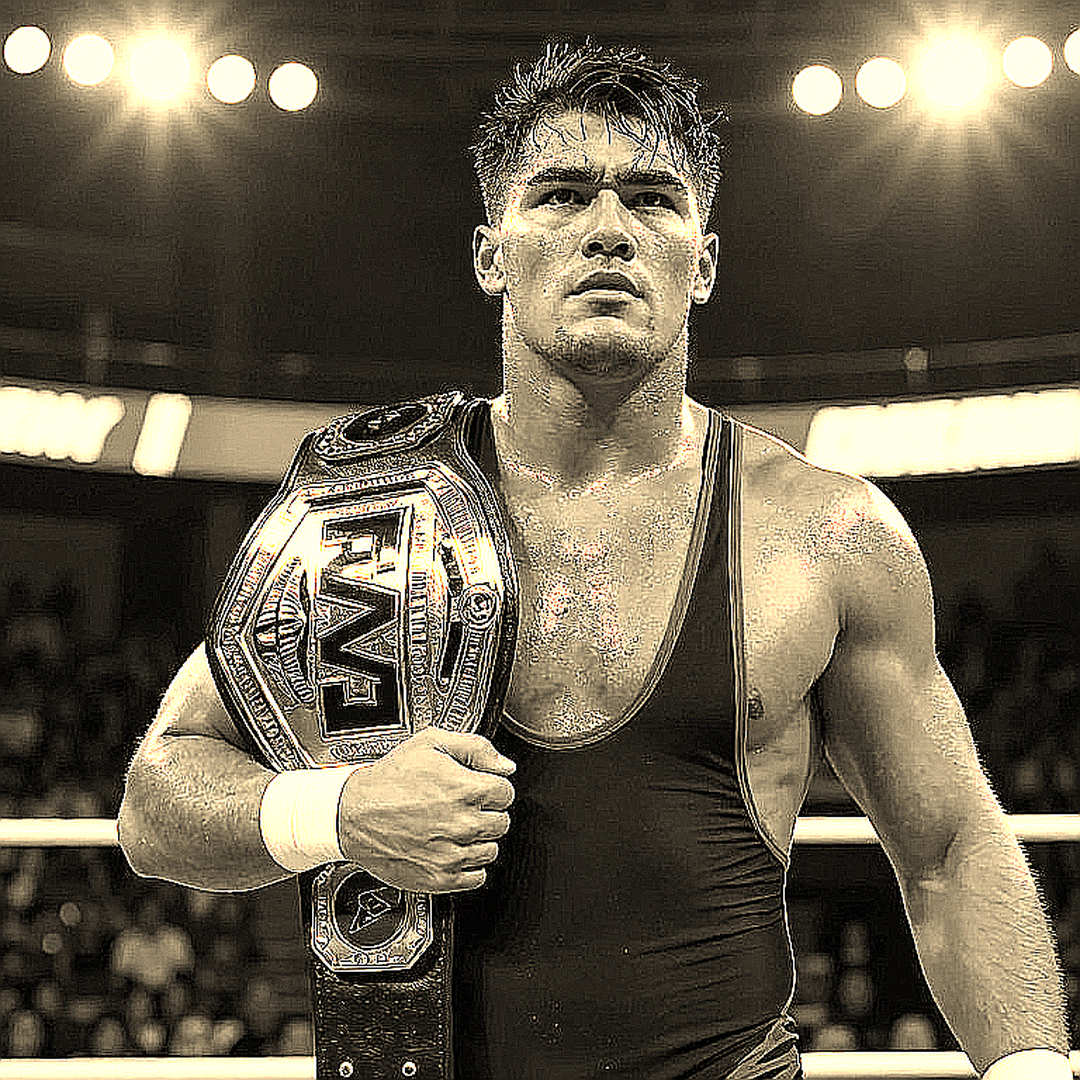
If I claim the administration decides every wrestling result, I am making the same mistake as the people who blame everything on a wrestler's plate. The mat still surprises. In 2026 Inam Butt won gold out of a system with no full-time sports scientist, against countries with full staffs. Bajrang's 2026 gold came after a knee injury no form could have predicted.
Second, calling Vinesh's hundred grams a federation conspiracy would be dishonest. She had made weight more than twenty times. The one time it failed, it was her own team's rehydration arithmetic that failed. If I dump everything on the federation, I become the mirror image of the people I argue with.
Third, and this matters most to me: it is easy to drop India's template onto Pakistan, because India's ecosystem is the deeper one and the better story. But the problem here is not capture, it is absence. A federation that does not fight is easy to call corrupt and wrong to call corrupt. Capture and an empty chair leave a wrestler in the same place — off the start list. The difference is that capture can be complained about. An empty chair cannot.
So the next time a wrestler misses weight by a hundred grams, or a name appears in a team without a trial, look at the scale and the trial sheet together. My prediction: if another South Asian wrestler misses weight in the next two years, the question will be asked of his plate, not of the federation that put no nutritionist in his camp. The day a federation's budget begins with the calibration of a scale, we will know the 2026 lesson was learned — and not just filed as one more column.